Apollo vs ZoomInfo: Which Fits a UK B2B Team?

Apollo suits lean teams that want a low-cost, self-serve tool for finding contacts and sending outreach from one place. ZoomInfo suits larger sales and RevOps teams that have a budget cycle, a CRM to feed and a need for deeper data and intent signals. Both are US-first platforms, so UK buyers should test the data for their own market before they sign anything.
This guide compares the two on the points that decide the purchase: price, data, features, CRM fit and UK compliance. It also covers a question most comparisons skip. A data tool only produces pipeline if the sending, tracking and follow-up around it are sound.
TL;DR
- Apollo publishes its pricing, from $49 per user per month on annual billing, and has a free tier. It bundles a database, sequencing and lightweight CRM features.
- ZoomInfo is quote-only and sold on annual contracts. It is built to enrich a CRM such as Salesforce and suits teams with structured budgets and RevOps support.
- UK data needs testing on both. Independent analysis says ZoomInfo is thinner on UK small and mid-size company records, and Apollo’s coverage is broad but less deeply verified.
- Neither tool fixes poor deliverability, weak consent practice or missing attribution. Those decide whether the data turns into revenue.
Table of Contents
- The short version: who each tool is for
- Pricing: transparent versus quote-only
- Data: size, depth and the UK question
- Features: engagement hub or intelligence layer
- CRM fit: neither tool is a system of record
- GDPR and UK compliance
- Our perspective: the data tool is the smaller decision
- How to decide: a short checklist
- Where we fit
- FAQ
- Sources
The short version: who each tool is for
The choice depends less on which product is technically better and more on how mature your go-to-market operation is. ZoomInfo’s own comparison page frames it this way, and independent reviewers broadly agree.
| Your situation | Likely fit |
|---|---|
| Founder-led or small sales team, limited budget | Apollo |
| You want one workspace for search, sequences and calling | Apollo |
| Dedicated RevOps, Salesforce as system of record | ZoomInfo |
| Account-based selling into large US or global enterprises | ZoomInfo |
| Mostly UK SMEs as your market | Test both, and consider a UK-native data provider |
A vendor wrote each of the sources below, so read every claim with that in mind. Apollo’s page favours Apollo and ZoomInfo’s favours ZoomInfo. We lean on the facts both sides agree on and on independent reviewers where we can.
Pricing: transparent versus quote-only
This is the clearest difference.
Apollo lists its plans. According to Apollo’s comparison page, paid plans start at $49 per user per month on annual billing, and a free tier lets you test data quality before you commit. Prices are in US dollars, so UK buyers should check the current pound figure and VAT treatment at checkout.
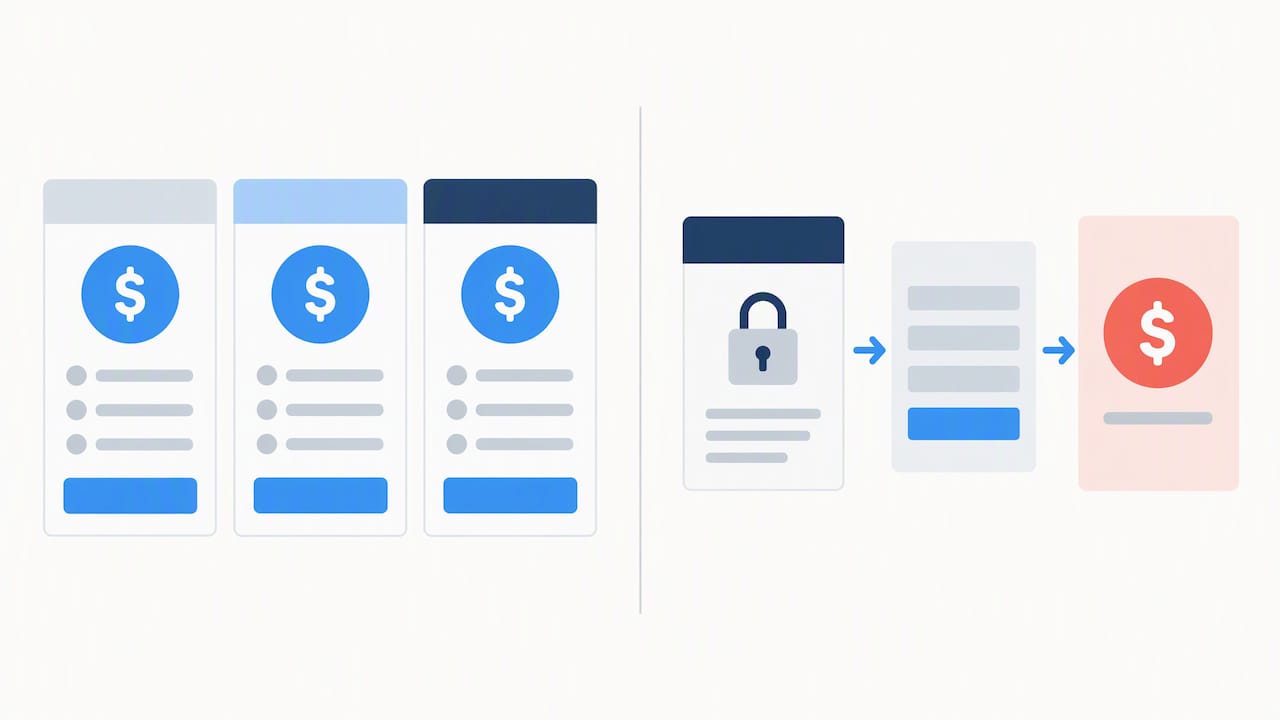
ZoomInfo does not publish fixed prices. Apollo’s page describes ZoomInfo pricing as quote-based and dependent on licence count, data credits and feature tier. The same page cites procurement data putting median enterprise contracts above $30,000 a year. That figure comes from a competitor’s page, so treat it as a rough marker and not a quote. ColdIQ’s review reaches a similar conclusion: Apollo is self-serve, ZoomInfo is a quote-only enterprise suite.
What this means in practice:
- With Apollo you can start in an afternoon and stop if it does not work.
- With ZoomInfo you will go through a sales process and likely commit to an annual term with a minimum number of seats.
- The real cost of either is the user count plus the people-hours spent cleaning data and running outreach. Neither price covers those.
Data: size, depth and the UK question
Both vendors quote very large databases, and the numbers do not match across sources. Google’s top results quote Apollo at anything from 240 million to 275 million contacts. ZoomInfo’s comparison page positions ZoomInfo as the larger and more deeply verified database, at 500 million or more contacts. Treat headline counts as marketing. What matters is how many records in your target segment are accurate.
For a UK buyer, the more useful point is where each database is strong:
- ZoomInfo builds much of its data through community contribution concentrated among US and large Western European enterprises. Pintel’s UK database review says this leaves UK small and mid-size company records thinner.
- Apollo casts a wider net across smaller companies, which often suits early-stage outbound. The trade-off, per the same analysis, is that coverage can be less accurate.
- Both are described as US-first. The same review advises UK teams that need phone-verified contacts and strict local compliance to consider a provider built for the UK and EU. Pintel sells in that space, so weigh the advice accordingly. The underlying test still holds.
How to test UK data before you buy
- Export a sample of 100 to 200 contacts from your real target list, such as UK finance directors at companies with 50 to 250 staff.
- Check them against LinkedIn and company websites. Count how many people are still in role.
- Send a small test batch and record the bounce rate.
- Repeat with the other tool and compare results, not claims.
One afternoon on this will tell you more than any comparison table, including ours.
Features: engagement hub or intelligence layer
Apollo’s comparison describes a workspace that pairs the database with multichannel sequencing across email, phone and social, a power and parallel dialer, AI-assisted research and lead scoring, and several enrichment methods. Everything sits in one place.
ZoomInfo’s platform is positioned as a go-to-market intelligence layer that feeds a CRM. It leans on intent signals, account insight and workflow integrations, and it sells engagement tools as separate modules. Apollo’s page lists tiers such as Professional, Copilot Advanced, Copilot Enterprise and several marketing and account-based modules. The more modules you add, the more the quote grows.
| Apollo | ZoomInfo | |
|---|---|---|
| Pricing | Published, free tier | Quote-only |
| Core idea | All-in-one prospecting and engagement | Data and intelligence layer for a CRM |
| Sequencing | Included on paid plans | Via a separate engagement module |
| Intent signals | Present, lighter emphasis | Central to the pitch |
| Typical buyer | SMB, lean sales teams | Enterprise, RevOps-led teams |
| UK strength | Broad SME reach, variable accuracy | Enterprise coverage, thinner SME depth |
CRM fit: neither tool is a system of record
ZoomInfo is not a CRM. It is built to enrich and feed one, and ZoomInfo says so itself. Apollo bundles lightweight CRM features, which is convenient early on. TechRepublic’s software roundup makes the same point: a CRM-lite inside a data tool may lack the scale and feature depth of a dedicated system of record.
A sensible rule:
- If you have fewer than a handful of reps and a short sales cycle, Apollo’s built-in features can carry you for a while.
- Once several people share accounts, forecast pipeline or run lifecycle marketing, move to a proper CRM and let the data tool feed it.
If you are building that stack, our guides on CRM for ecommerce and B2C CRM implementation cover how to choose and set up the system the data lands in.
GDPR and UK compliance
Contact data about named people is personal data, so UK GDPR applies to how you use it, whichever vendor supplied it. The tool does not take that responsibility from you.
The vendors differ in how they document their side. Pintel’s GDPR provider review credits ZoomInfo with a credible framework: legitimate interest as the lawful basis, a data processing agreement, ISO 27001 and SOC 2 certifications and a working data subject rights process. It describes Apollo as relying on a self-serve model with more general compliance declarations. Both are still platforms built for the US market first.
Before buying either:
- Ask for the data processing agreement and read it.
- Ask where the data comes from and how opt-outs are handled.
- Record your own lawful basis for outreach, and make unsubscribing easy.
For the email side of this, see our guide to UK GDPR and email marketing consent. If your business has legal questions about lawful basis for B2B outreach, ask a data protection solicitor or check the ICO’s guidance before you launch a campaign.
Our perspective: the data tool is the smaller decision
We run outbound and lifecycle programmes alongside paid media, creative and web, so we see this choice from the other side of the purchase. Teams spend weeks comparing databases and far less time on what happens after the export.
Three things decide whether either tool earns its fee:
- Deliverability. A clean list sent from a poorly set up domain still lands in spam. We cover the order of work in our five-part B2B cold email system.
- Nurture. Most contacts will not reply to the first email. A structured follow-up, built on signals such as site visits and replies, moves buying groups along. See our signal-first B2B lead nurture flows.
- Attribution. If you cannot trace pipeline back to the source, you cannot tell whether the data subscription paid off. Our piece on B2B lead attribution shows how to set that up.
Our advice is to pick the tool that matches your current size, run a short paid or free trial against your real market, and put the saved effort into the system around it. Buying the bigger platform does not fix an unclear offer or a weak follow-up.
— Alex
How to decide: a short checklist
Choose Apollo if most of these are true:
- You have a small team and want to start this month.
- You need prospecting and sequencing in one place.
- Your targets are SMEs and mid-market companies.
- You want to pay per user and leave if it underperforms.
Choose ZoomInfo if most of these are true:
- You have RevOps support and Salesforce or a similar CRM as the system of record.
- You sell into large enterprises, with account-based plays and intent data.
- You can commit to an annual contract and a multi-seat minimum.
- You have budget for modules beyond the base licence.
Look at a UK or EU-native provider if your market is mostly UK companies, you rely on phone outreach, or compliance review is strict in your sector. Run the same sample test against it.
Where we fit
If you have chosen a tool and now need the outbound engine, the CRM set-up and the tracking to go with it, that is the work we do. Our team covers cold email, CRM management, paid media, creative and web under one roof, so the pieces are built to work together. See our growth marketing services or get in touch through our site.
FAQ
Is Apollo cheaper than ZoomInfo?
Usually, yes at the entry level. Apollo publishes plans from $49 per user per month on annual billing and offers a free tier. ZoomInfo is quote-only, so you cannot compare exact figures until you request a proposal.
Is ZoomInfo a CRM?
No. ZoomInfo is a B2B intelligence platform that feeds data into CRMs such as Salesforce. Apollo includes lightweight CRM features, but a dedicated CRM is a better system of record as your team grows.
Which has better data for UK companies?
Neither is clearly better, and both are US-first. ZoomInfo is stronger on large enterprises and thinner on UK SMEs, while Apollo reaches more small companies with variable accuracy, according to an independent UK database review. Test a sample from your own target list with each tool.
Can a small team use ZoomInfo?
It can, but the model is aimed at organisations with structured budgets and RevOps support. ColdIQ’s comparison describes it as a quote-only enterprise suite. Small teams usually get faster value from a self-serve tool.
Do I still need a CRM if I use Apollo?
Early on, you may manage with Apollo’s built-in features. Once several reps share accounts, forecast pipeline or run lifecycle campaigns, a dedicated CRM becomes worth the cost.
Sources
- Apollo vs ZoomInfo: Pricing, Features & Data Compared (2026), Apollo
- Apollo vs ZoomInfo (2026): Data, Pricing & Features Compared, ZoomInfo
- Salesforce Review 2026: Full CRM Breakdown, ZoomInfo Pipeline
- 7 Most Accurate UK Contact Databases for B2B Sales 2026, Pintel
- Best GDPR Compliant Data Providers for B2B Sales Teams, Pintel
- Apollo vs ZoomInfo 2026: Pricing, Data & Verdict, ColdIQ
- 6 Best Direct Sales Software Platforms for 2026, TechRepublic
Recommended

Other posts




























































Stay ahead with better decisions.
Get business insights today.
