How to Increase Repeat Purchase Rate: A Strategic 2026 Growth Framework
Did you know that 76.4% of all repeat orders occur within 90 days of the first purchase? If your strategy ignores this window, you are bleeding capital. High customer acquisition costs are suffocating your margins whilst your first-time buyers vanish into a cycle of churn. You know that relying on e...

Did you know that 76.4% of all repeat orders occur within 90 days of the first purchase? If your strategy ignores this window, you are bleeding capital. High customer acquisition costs are suffocating your margins whilst your first-time buyers vanish into a cycle of churn. You know that relying on expensive top-of-funnel traffic is unsustainable. To increase repeat purchase rate, you must shift from reactive marketing to a disciplined, operational framework. There is noticeable differences between brands that guess and those that execute with data-driven precision.
This 2026 growth framework will teach you to master the technical strategies required to transform one-time buyers into loyal advocates. We will explore how to leverage Klaviyo’s K:BOS architecture and autonomous AI agents to build a streamlined retention machine. You will learn to integrate native Instagram UGC directly into your flows to validate consumer behaviour. Each of the automated flows require continuous testing to ensure maximum efficiency. By the end of this guide, you will have a clear roadmap to maximise lifetime value and drive measurable progress.
Key Takeaways
• Define the operational shift from acquisition to lifetime value whilst reducing churn in a high-CAC environment.
• Deploy advanced Klaviyo automation to increase repeat purchase rate by targeting customers within the critical 90-day window.
• Leverage UGC content because they provide a level of social proof that brand-shot assets cannot match.
• Search engines prioritises sites that demonstrate high user engagement and return visits via strategic SEO.
• Every of these strategies must be tailored to specific customer segments to ensure maximum impact.
The Operational Reality of Customer Retention in 2026
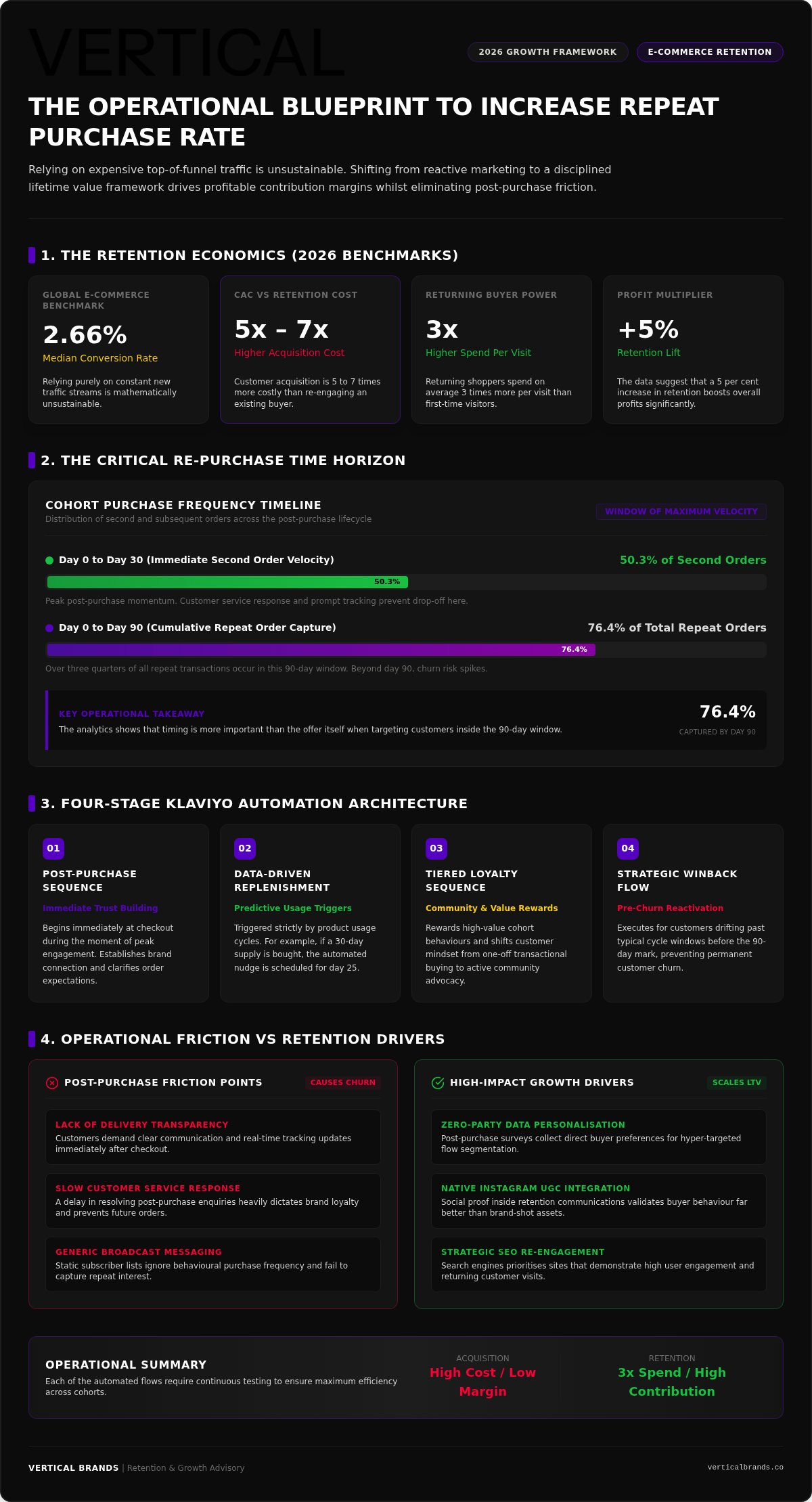
Retention is an operational discipline. It is the antidote to rising acquisition costs. In 2026, the global median conversion rate for e-commerce stands at 2.66%. Relying on a constant stream of new traffic is a mathematical dead end. You must increase repeat purchase rate to survive. This metric represents the percentage of customers who return for a second transaction. It is the primary indicator of product-market fit and brand health. Every of these metrics must be tracked with absolute precision.
To better understand the tactics involved in driving these numbers, watch this helpful video:
Lifetime Value (LTV) is the only metric that matters in a high-CAC environment. Customer acquisition is currently 5 to 7 times more costly than re-engaging an existing shopper. When you focus on LTV, you focus on the contribution margin rather than raw revenue. The data suggest that a 5 per cent increase in retention can boost profits significantly. High-performing brands use sophisticated customer retention metrics to identify their most profitable cohorts. This allows for a strategic reallocation of capital toward high-value retention efforts.
Calculating the True Value of a Returning Customer
Revenue is a vanity metric. Contribution margin per customer is the reality. You must compare the cost of acquisition against the cost of retention. Returning customers spend an average of 3 times more per visit than first-time visitors. This efficiency is the engine of growth. LTV is defined as the total net profit generated by a customer relationship through the removal of operational friction and the maximisation of purchase frequency.
Identifying Friction in the Post-Purchase Journey
Friction prevents growth. You must analyse customer behaviour patterns to see where they drop off after the initial delivery. Statistics show that 50.3% of second orders occur within 30 days of the first checkout. If your customers are silent during this window, friction is likely the cause. Delivery transparency is a critical factor in these decisions. Customers demand real-time tracking and clear communication. Additionally, customer service response times also dictates brand loyalty. A delay in resolving an issue ensures the customer never returns. To increase repeat purchase rate, you must eliminate these structural barriers immediately.
Architecting High-Performance Klaviyo Flows for Retention
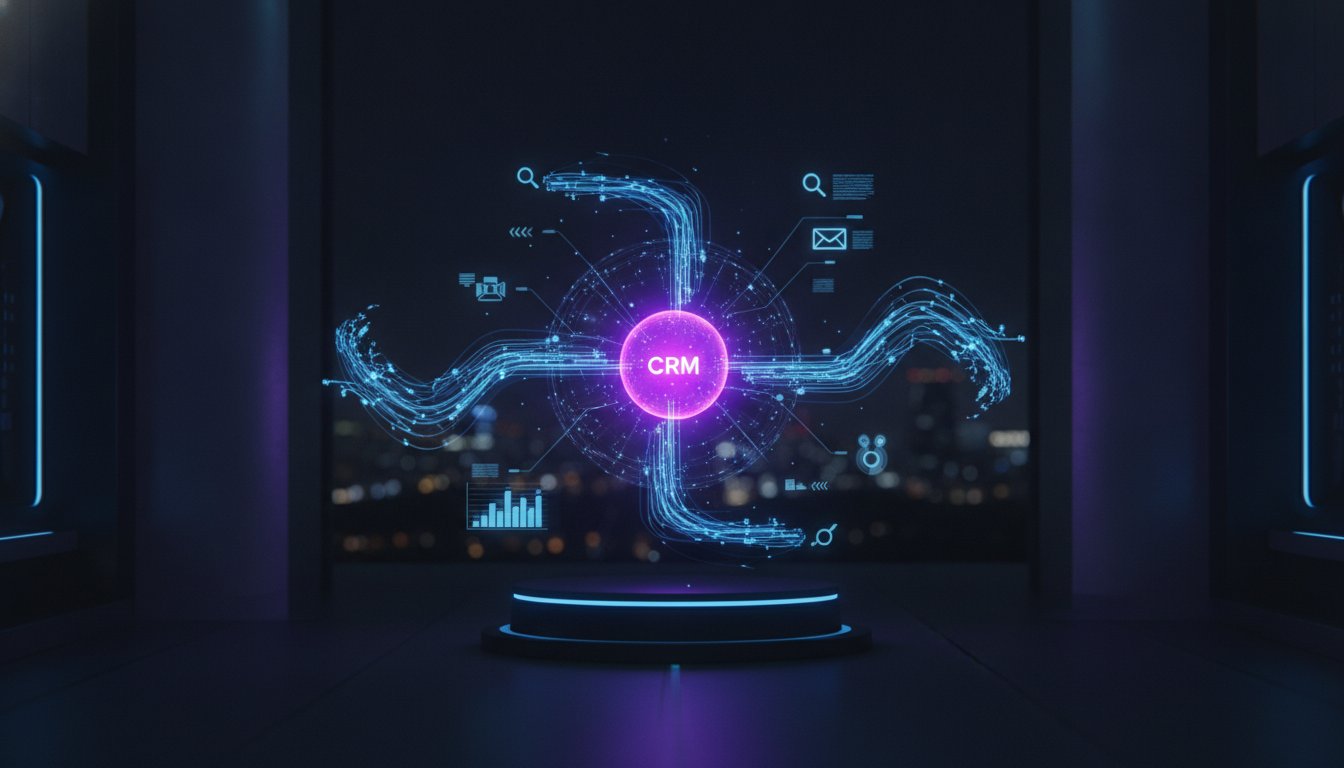
Klaviyo is the central engine for retention. It is not merely a platform for sending emails; it is a sophisticated CRM architecture. To increase repeat purchase rate, you must move beyond generic broadcasts. Precision is mandatory. Every of these flows must be tailored to specific customer segments for maximum impact. A Harvard Business Review analysis on customer retention confirms that acquiring new shoppers is significantly more expensive than keeping existing ones. Efficiency is the only path to sustainable growth.
The retention journey begins at checkout. Step 1 is to optimise the post-purchase thank you sequence to build immediate trust. This is the moment of peak engagement. Next, implement a data-driven replenishment flow based on product usage cycles. If a customer buys a 30-day supply, the nudge must arrive on day 25. Third, create a tiered loyalty sequence that rewards high-value behaviours. This shifts the focus from transactions to community. Finally, execute a winback flow for customers who have drifted past their typical buying window. Research indicates that 76.4% of repeat orders occur within 90 days. Miss this window, and the customer is likely gone. The analytics shows that timing is more important than the offer itself.
Advanced CRM Segmentation Strategies
Static lists are dead. You must move beyond basic demographics to behavioural triggers and purchase frequency. Use zero-party data collected via post-purchase surveys to personalise the retention experience. This data allow for hyper-targeted messaging that resonates with specific buyer motivations. If your current setup is cluttered or inaccurate, our Klaviyo migration services can establish the clean data foundation required for high-growth brands. Clean data enables agentic triggers that respond to shopper intent in real time.
Automating the Winback Process
The winback process must be automated and agentic. Determine the optimal timing for winback emails based on your historical order data. High-urgency subject lines are necessary but must not damage brand reputation. Use dynamic discount codes that adjust based on the customer's lifetime value. A shopper with a high LTV should receive a more aggressive incentive than a one-time discount seeker. Klaviyo’s Composer tool can now adjust these wait periods and discount depths dynamically. If you are looking to streamline your retention machine, our strategic growth advisory can help you navigate these complexities.
Deploying UGC and Paid Social for Brand Loyalty
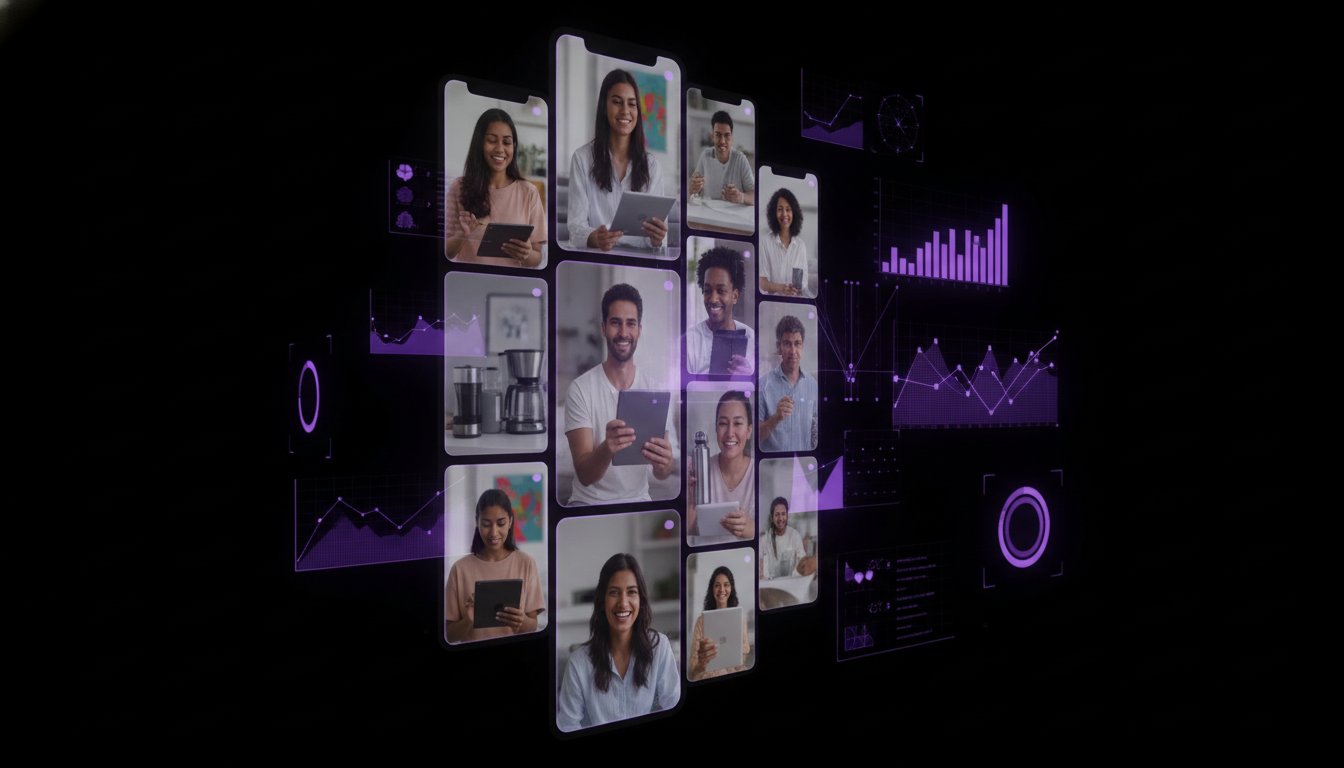
Retention is not a siloed activity. It requires a unified approach across social and owned channels. To increase repeat purchase rate, you must leverage the psychological power of social proof. UGC content provide a level of authenticity that polished, brand-shot assets cannot replicate. It validates the purchase decision. It reduces buyer remorse. Bain & Company's loyalty economics research highlights that a 5% increase in retention can boost profits by up to 95%. This is the financial reality of loyalty. Every brands need to weaponise their existing customer base to fuel future growth.
Post-purchase social ads must pivot. Stop selling. Start educating. Focus on community and product utility. If a customer has just received a complex skincare regime, show them how to apply it. Use UGC videos to demonstrate real-world results. Integrating customer reviews into these retargeting campaigns builds a loop of trust. It reminds the shopper why they chose you. Incentivise content creation through loyalty points or exclusive access. This ensures a steady stream of fresh assets whilst maintaining high brand standards. The 2026 Social Insights Analyst feature in Klaviyo now allows brands to pipe these creator interactions directly into automated flows.
The Role of a UGC Content Production Agency
Raw content is not enough. Professional curation is essential for scaling. You need to align user-generated assets with specific stages of the customer lifecycle. A UGC content production agency UK provides the strategic oversight needed to transform amateur clips into high-performance marketing tools. Curation removes friction. It ensures that the content supports your operational goals without feeling forced or artificial. Between the two options, the latter are better for long-term brand integrity.
Retargeting Existing Customers on Paid Social
Efficiency requires exclusion. Use advanced paid social management to remove recent buyers from your acquisition funnels. Do not waste budget on people who have already converted. Instead, create 'VIP only' social campaigns. These should offer early access to new collections or exclusive community content. This fosters a sense of exclusivity that traditional marketing lacks. Measuring the impact of social engagement on long-term retention rates provides the clarity needed to scale. It turns social media from a vanity exercise into a disciplined growth engine.
Re-engaging Customers via Strategic SEO and Search
SEO is typically framed as a top-of-funnel acquisition channel. This narrow perspective ignores the operational value of search in the post-purchase lifecycle. Modern search engines prioritises sites that demonstrate high user engagement and return visits. To increase repeat purchase rate, your organic strategy must evolve. It should serve the existing customer as much as the prospect. Every of these search queries after the first transaction is a chance to prevent churn. By capturing intent when a user seeks support, you solidify your position as a trusted partner.
Internal search data is a goldmine for retention. It reveals exactly what your customers cannot find. If users are searching for replacement parts or assembly instructions on your site, that content must rank. This data informs your retention content strategy by identifying friction points in real time. Aligning your knowledge base with these long-tail queries ensures that customers return to your ecosystem rather than seeking answers from third-party marketplaces.
SEO for the Post-Purchase Experience
Content must help customers maximise the utility of their purchase. You should integrate our E-commerce search engine optimisation framework to structure this information. Focus on 'how-to' guides and care instructions that rank for specific product queries. If your site has technical flaws that prevent returning users from accessing their accounts or order history, the relationship will fail. A comprehensive E-commerce SEO audit London identifies these technical barriers to re-entry before they impact your LTV.
Capturing Intent for Replenishment and Upgrades
Intent shifts from discovery to maintenance after the first checkout. You must target keywords related to product care and accessory compatibility. Ranking for your own brand name plus 'reviews' is also vital. Customers often revisit reviews to justify a second, larger purchase. SEO and CRM work together to capture intent by ensuring that search visibility supports the automated nudges sent via your email flows. This integrated approach removes the need for expensive retargeting ads. To ensure your site is built for long-term loyalty, audit your retention SEO strategy with our expert team.
Scaling LTV with an Integrated Growth Advisory
Vertical Brands provides the strategic oversight required for high-stakes growth. We helps brands navigate the complexity of scaling without sacrificing profitability. Software alone is insufficient. You need a decisive driver of progress to oversee the entire growth ecosystem. Aligning internal teams around a single objective is the only way to increase repeat purchase rate effectively. A growth advisory identifies structural gaps that internal teams often overlook. These gaps usually exist at the intersection of data and execution. We remove the friction that prevents your brand from reaching its full potential.
Operational excellence requires a partner who understands the mechanics of success. In 2026, the compression of the second-order window means you cannot afford delays. If your attribution models are inflated, your scaling decisions will be flawed. We prioritise gross margin contribution over vanity metrics. This ensures that every decision is grounded in financial reality. To increase repeat purchase rate, you must shift from siloed tactics to a unified growth model. This is the only path to building a resilient, high-growth brand.
Moving Beyond Channel Silos
Separating email, search, and social is a fundamental error. It creates friction. Retention requires a unified data layer that informs every customer touchpoint. By leveraging the Klaviyo Data Platform (KDP) and SQL access, we create a single source of truth. This allows for autonomous lifecycle orchestration that responds to shopper intent in real time. The benefits of this integrated approach is that it removes the noise of vanity metrics. You gain clarity. You gain momentum. A performance-first approach to brand scaling ensures that every pound spent contributes to long-term value whilst reducing reliance on expensive acquisition.
Executing the 2026 Growth Framework
Success is the result of disciplined execution. First, audit your operational reality to identify churn triggers. Second, architect your Klaviyo flows with agentic triggers capable of processing 74,000 profiles per second. Third, fuel post-purchase trust with high-performance UGC curated for specific lifecycle stages. Fourth, capture replenishment intent via strategic SEO and a customer-only knowledge base. Continuous testing and optimisation are non-negotiable. The market does not wait for slow operators. If you are ready to transform your retention strategy and maximise lifetime value, explore the Vertical Brands growth advisory. We provide the tactical rigor needed to build a streamlined retention machine.
Dominating the 2026 Retention Landscape
Retention is no longer a secondary objective. It is the primary driver of sustainable profitability. To increase repeat purchase rate, you must integrate search intent, social proof, and CRM automation into a single, frictionless cycle. Every of these strategies require a disciplined approach to data and execution. You've seen the operational reality. Now, you must act. The brands who hesitate will find themselves priced out of the market by rising acquisition costs.
Vertical Brands acts as your strategic guide in this high-stakes environment. As a Klaviyo Platinum Partner, we leverage integrated performance marketing expertise to drive measurable D2C growth. We don't just manage flows; we architect growth engines. The analytics shows that a focused retention strategy is the only way to safeguard your margins. It's time to move beyond channel silos and embrace a performance-first framework.
Scale your brand's profitability with Vertical Brands and secure your position as a market leader. Your future growth depends on the decisions you make today.
Frequently Asked Questions
What is a good repeat purchase rate for e-commerce brands in 2026?
A good repeat purchase rate varies by industry. For mature brands, a baseline of 25% to 30% is considered healthy. The broader industry median sits at 18.8% across 156,000 examined stores. Consumable brands should target 30% to 45% whilst apparel brands typically see 20% to 30%. Every of these benchmarks must be viewed within your specific category context to ensure accuracy. If you fall below these levels, your retention machine requires immediate structural adjustment.
How can Klaviyo automation help increase my customer lifetime value?
Klaviyo automation increases Customer Lifetime Value by removing friction from the re-engagement journey. The platform’s Flows 2.0 engine processes over 74,000 profiles per second. This allows for autonomous agentic triggers that adjust wait periods and discount depths dynamically. By delivering the right message at the peak of shopper intent, you ensure higher retention. The analytics shows that automated flows achieve open rates between 40% and 60% compared to standard promotional campaigns.
Does SEO really play a role in customer retention?
SEO is a critical component of a modern retention strategy. It captures intent when returning buyers search for replacement parts, restocks, or order management instructions. By optimising for 'how-to' and 'care guide' keywords, you bring customers back to your site. This reduces reliance on expensive paid channels. Search engines prioritises sites that demonstrate high user engagement and return visits. A customer-only knowledge base helps you increase repeat purchase rate by providing immediate value.
How often should I send retention emails to my customers?
Frequency must be dictated by your specific product lifecycle and historical data. However, the initial 30 days post-purchase are vital. Statistics indicate that 50.3% of customers who complete a second purchase do so within this window. You should send replenishment reminders and educational content much earlier than historically advised. Avoid inbox fatigue by using behavioural branching rather than bulk blasts. Every of these touchpoints should offer genuine utility to the shopper.
What is the difference between customer loyalty and repeat purchase rate?
Repeat purchase rate is a transactional metric. It measures the percentage of customers who return for a second transaction. Customer loyalty is a broader emotional commitment that transcends price or convenience. A high repeat purchase rate suggests a functional success, whilst loyalty indicates a brand advocate. You must increase repeat purchase rate to build the financial foundation for long-term loyalty. Both metrics are essential for a streamlined, automated retention machine that scales.
Can UGC content actually improve my retention metrics?
UGC content significantly improves retention by validating purchasing decisions. It provides a level of social proof that brand-shot assets cannot replicate. In 2026, Klaviyo’s Social Insights Analyst feature allows for native Instagram UGC integration directly into flow segmentation. This enables you to trigger messages based on creator interactions and post sentiment. Using real customer videos in post-purchase flows reduces buyer remorse. It turns a simple transaction into a community experience.
How do I calculate the ROI of my retention marketing efforts?
Calculate ROI by comparing the contribution margin of returning customers against the cost of retention activities. Customer acquisition is estimated to be 5 to 7 times more costly than re-engaging an existing shopper. Returning customers spend an average of 3 times more per visit than first-time visitors. Focus on gross margin contribution rather than vanity attribution. The data suggest that uninflated email and SMS share of revenue typically sits at 10% to 15%.
What are the first steps to take if my repeat purchase rate is falling?
Start with a comprehensive audit of your automated flows. Identify where shoppers drop off after delivery. Check your delivery transparency and customer service response times for friction. Often, a falling rate is due to under-built post-purchase branching. Re-evaluate your second-order window. Since 76.4% of repeat orders occur within 90 days, your win-back campaigns must be aggressive during this period. The data shows that there is noticeable differences between brands that act and those that wait.

Other posts
























































Stay ahead with better decisions.
Get business insights today.
