E-commerce Customer Lifecycle Marketing: The Strategic Growth Framework for 2026
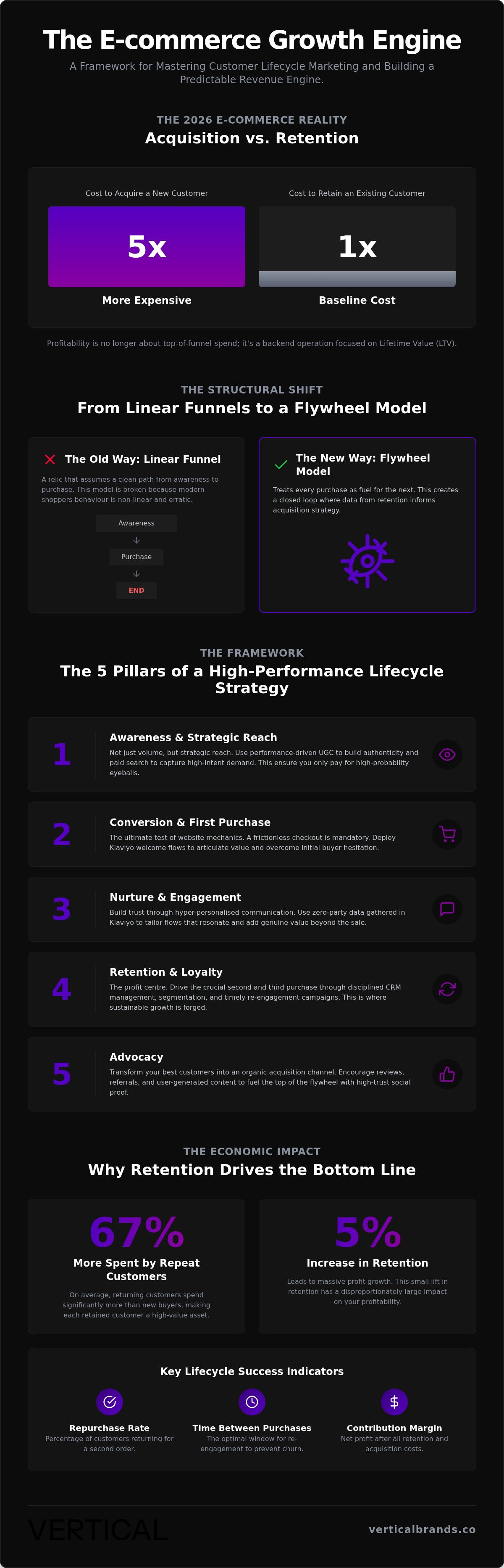
Acquiring a new customer in 2026 is five times more expensive than retaining an existing one. It's a brutal reality for brands stuck in an endless acquisition loop. You've likely seen your margins squeezed by rising CAC and high churn amongst first-time buyers. There is a lots of choices for softwar...

Acquiring a new customer in 2026 is five times more expensive than retaining an existing one. It's a brutal reality for brands stuck in an endless acquisition loop. You've likely seen your margins squeezed by rising CAC and high churn amongst first-time buyers. There is a lots of choices for software. Tools alone won't fix a broken strategy. To scale, you must master the structural mechanics of e-commerce customer lifecycle marketing.
We agree that fragmented data between paid social and CRM systems is a recipe for stagnation. This article provides the definitive framework to turn your store into a predictable revenue engine. This framework ensure growth by aligning your paid media with a disciplined retention approach. You'll discover how to integrate Klaviyo as your growth centre. This creates a seamless flow between awareness and retention whilst driving higher repeat purchase rates and total operational clarity.
Key Takeaways
• Transition from transactional acquisition to a relationship-centric model. Profitability now depends on backend structural integrity.
• Learn to deploy e-commerce customer lifecycle marketing as a disciplined operational engine rather than a simple funnel.
• Integrate Klaviyo with paid social to create high-value lookalike audiences. This alignment reduce your total acquisition costs.
• Audit your tech stack to eliminate data fragmentation. Ensure your CRM and paid ads systems speaks the same language.
• Scale your brand using specialised growth advisory and performance-driven UGC content to drive repeat purchase rates.
The Structural Shift: Why Lifecycle Marketing Defines 2026 E-commerce
The era of cheap customer acquisition is dead. Performance marketing costs have surged across every major platform. Brands that rely solely on top-of-funnel spend are facing a terminal squeeze. In 2026, profitability is a backend operation. You cannot buy your way to scale if your bucket is leaking. This is where Customer Lifecycle Management (CLM) becomes the bedrock of your strategy. It provides the structural integrity needed to survive volatile ad auctions. Moving from a transactional mindset to a lifetime value focus is no longer optional. This strategies is essential for any brand that wants to scale without burning through venture capital or cash reserves. Growth requires a disciplined framework that values retention as much as the first sale.
The Death of the Traditional Funnel
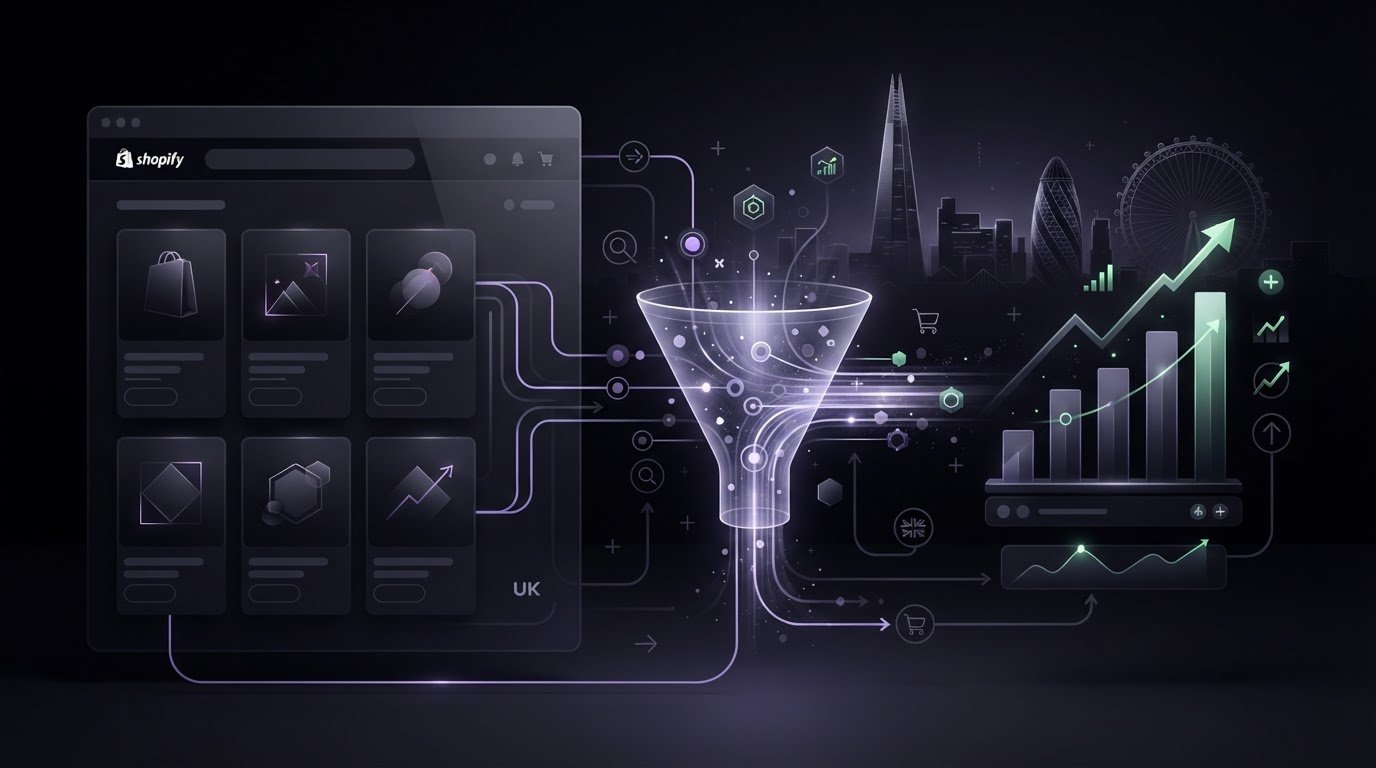
Linear funnels are a relic. They assume a clean path from awareness to purchase. Modern shoppers are fragmented across social channels and search results. Their behaviour is non-linear and erratic. A flywheel model is more accurate for 2026. It treats every purchase as fuel for the next. Ignoring retention is fatal. If you aren't nurturing your base, you're subsidising the competition. E-commerce customer lifecycle marketing ensures no lead is wasted. It creates a closed loop where data informs every stage.
Defining the Economic Impact of LTV
Retention drives the bottom line. Repeat customers spend 67% more on average than new buyers. This is the engine of growth. Calculating value beyond the first click changes your bidding strategy. It allows for aggressive acquisition because the backend will deliver. There is a lots of data to support this. A 5 per cent increase in retention leads to massive profit growth. High lifecycle maturity leads to higher valuations. Your systems speaks to customers to maximise value. This alignment between paid media and CRM is what separates market leaders from also-rans.
Key economic indicators for lifecycle success include:
Repurchase Rate
The percentage of customers returning for a second order within a specific window.
Time Between Purchases
Identifying the optimal window for re-engagement to prevent churn.
Contribution Margin
Profit after factoring in the total cost of retention and acquisition efforts.
The Five Pillars of a High-Performance Lifecycle Strategy
A high-performance lifecycle strategy relies on five distinct pillars. These are the structural columns of your growth engine. Every stage must be meticulously engineered to remove friction. This is the essence of e-commerce customer lifecycle marketing in a high-stakes environment. You cannot rely on a single channel to carry the weight of your entire operation. A disciplined approach ensures that each pillar supports the next. This creates a solid foundation for sustainable scaling. Without this alignment, your marketing spend is merely a temporary subsidy for lacklustre retention.
Stage 1: Awareness and Strategic Reach
Awareness is not just about volume. It is about strategic reach. Professional UGC content is the primary tool for building brand authenticity in 2026. It stops the scroll. You must pair this with paid search to capture high-intent demand. Every customers needs a compelling reason to engage with your brand. Without a reason, they remain anonymous traffic. Strategic reach ensures you are only paying for eyeballs that have a high probability of converting into long-term assets. This is the first step in building a predictable revenue engine.
Stage 3: Conversion and the First Purchase
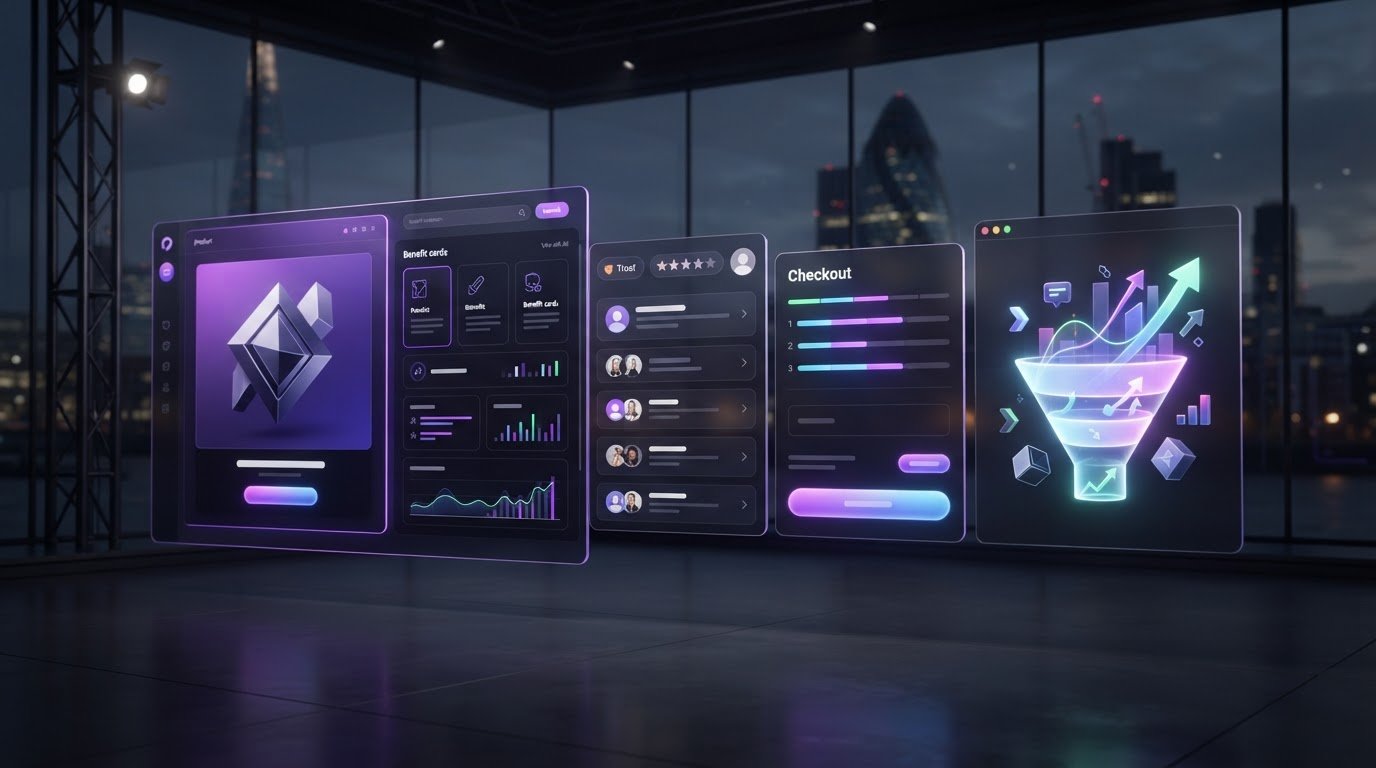
Conversion is where the mechanics of your website design are tested. Frictionless checkout experiences are mandatory. You must use welcome flows in Klaviyo to overcome initial buyer hesitation. These flows should articulate a clear value proposition. If the acquisition phase lacks clarity, the first purchase never happens. This systems works by addressing specific pain points immediately after the first touchpoint. It is about removing the risk of the unknown and establishing professional credibility from the start. A seamless transition from ad to checkout is the goal.
The remaining pillars focus on the backend of the lifecycle:
Nurture and Engagement
Building trust through personalised Klaviyo flows that use zero-party data to tailor the experience.
Retention and Loyalty
Driving the second and third purchase through disciplined CRM management. This is where the profit lives.
Advocacy
Turning your best customers into an organic growth channel. They become your most efficient acquisition tool.
Nurture and engagement turn one-time buyers into repeat customers. Data-driven CRM management ensures you aren't leaving money on the table. If you need assistance building these pillars, a growth advisory partner can provide the necessary technical oversight. The goal is a self-sustaining cycle of growth. This cycle is powered by consistent communication and value delivery. When advocacy is achieved, your brand scales with reduced reliance on paid auctions.
Integrating Paid Media with CRM for Maximum Retention
Paid social is the fuel. Your CRM is the engine that processes it. Siloing these departments is a structural failure. Integrated brands see far higher ROAS because they leverage first-party data. This is the core of e-commerce customer lifecycle marketing in 2026. You must use Klaviyo data to build high-value lookalike audiences in Meta. This ensures your acquisition spend is targeted amongst profiles with proven high LTV potential. There is a lots of brands failing because they treat these as separate worlds. Strategic growth requires a single source of truth. You cannot scale a fragmented operation. Every pound spent on top-of-funnel must be accounted for in the backend.
Closing the Loop Between Ads and Email
Stop retargeting generic site visitors. It's inefficient. Use CRM segments to drive your paid search and social strategy. If a customer clicks a specific product email but fails to convert, trigger a matching social ad within hours. This creates a unified brand experience. Audience exclusion lists are equally vital. Don't pay to show awareness ads to your loyalists. Use your CRM to scrub these lists daily. It reduces wasted ad spend and protects your margins. The data show that this level of precision is the only way to maintain a predictable revenue engine whilst CAC continues to rise. This systems works because it treats the customer journey as a single, coherent narrative. It removes the friction between discovery and purchase.
The Role of UGC in Retention
UGC production must align with specific lifecycle stages. Post-purchase UGC builds more trust than traditional brand creative. It provides social proof during the critical window after a first buy. Use influencer marketing to reinforce the loyalty stage. This isn't just about reach. It's about community validation. Create a content loop that feeds every stage of the lifecycle. When a customer shares their experience, that content should fuel your next acquisition campaign. This creates a self-sustaining ecosystem. You aren't just selling a product. You're building a structural asset. High-quality UGC acts as a bridge between awareness and advocacy. It ensures the brand remains relevant long after the initial transaction is complete. Every piece of content must have a purpose within the lifecycle. This disciplined approach to creative ensures your message resonates at the right time.
Building the Engine: Technical Implementation and Automation
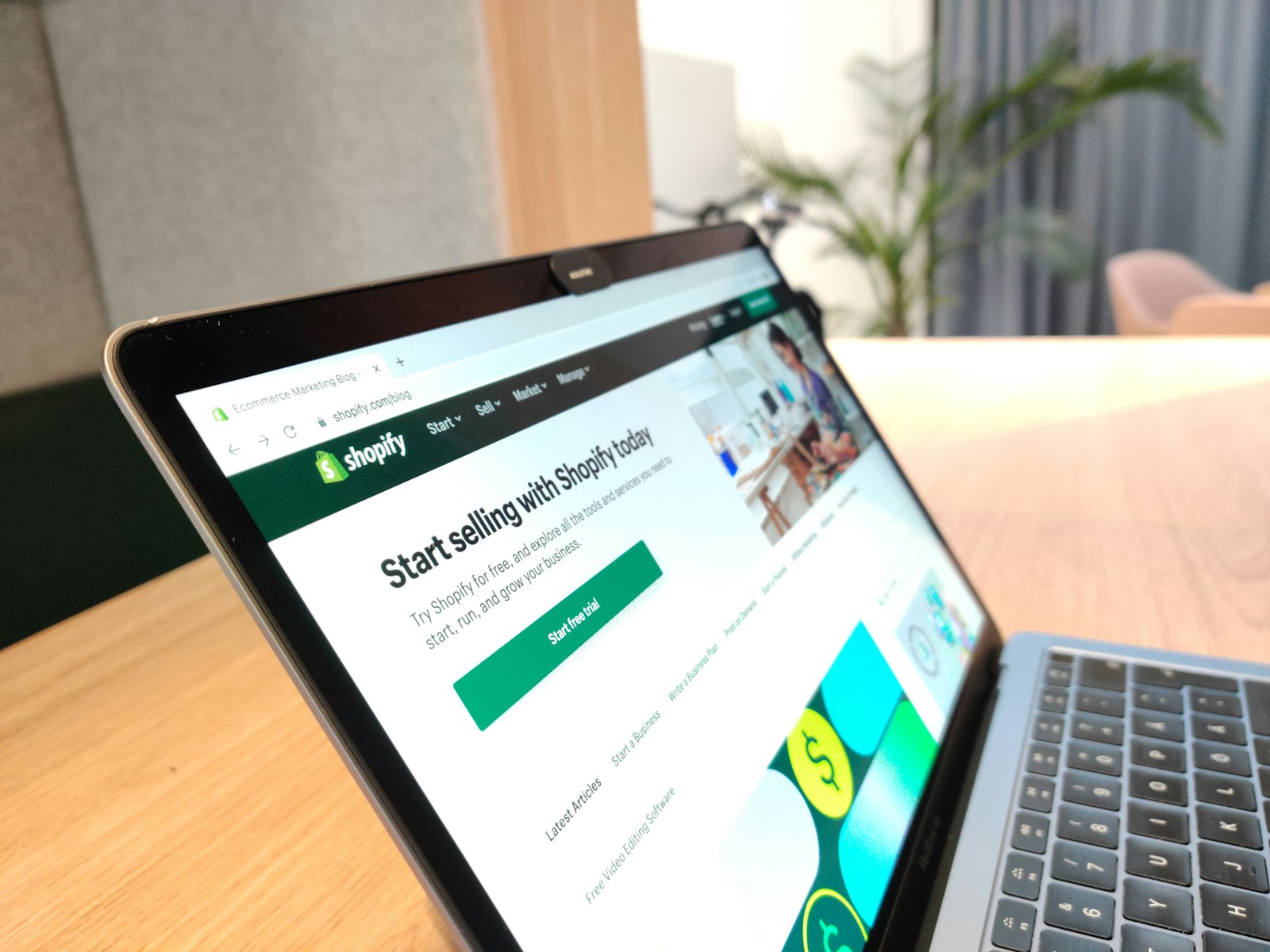
Execution is the differentiator. You can have a high-level strategy, but without a functional engine, you will fail. Building a robust e-commerce customer lifecycle marketing system starts with a technical audit. You must identify data fragmentation issues across your stack. If your Shopify data isn't talking to your CRM, you're flying blind. Implementing core automations take time but the ROI is immediate. Research shows that automated email sequences can generate 320% more revenue than non-automated campaigns. This is not a suggestion. It is a requirement for scaling in 2026. Every touchpoint must be deliberate and data-driven.
Klaviyo Flow Architecture for Scaling
Your flow architecture is your 24/7 sales team. The Welcome Series sets the tone for the entire brand relationship. It's your first chance to prove value and establish authority. There is a critical distinction between Abandoned Cart and Browse Abandonment flows. One targets high purchase intent; the other addresses curiosity. Navigating this nuance prevents over-communication and reduces friction. Winback flows are the art of re-engaging lapsed customers. It's a disciplined way to recover revenue without increasing your ad spend. These flows should utilise predictive analytics to time the message perfectly. If a customer typically buys every 45 days, your winback should trigger at day 50. Precision beats volume every time. Advanced segmentation based on purchase frequency allows you to reward your VIPs whilst nudging those who are drifting away.
Data Integrity and CRM Management
Data integrity is the foundation of deliverability. You must clean your lists regularly to ensure high engagement. Low open rates signal to providers that your content is irrelevant. Integrating Shopify or other platforms ensures a seamless data flow. This creates a centralised customer view. This view is essential for growth advisory. It allows you to see the real-time health of your retention engine. There is a lots of brands that ignore list hygiene until it's too late. Don't be one of them. A clean CRM is an efficient CRM. It removes friction from your operations and allows for hyper-personalisation at scale. This centralised view allows you to leverage first-party data for one-to-one interactions. It transforms your CRM from a list of names into a strategic asset that powers every other marketing channel.
Ready to build your growth engine? Our Klaviyo email marketing experts can audit your current setup and implement these high-performance flows. Stop guessing and start growing with a disciplined, technical approach to lifecycle management.
Scaling with Vertical Brands: Your Strategic Growth Partner
Vertical Brands acts as the catalyst for your expansion. A specialised Klaviyo and performance agency provides the technical precision that generalist teams lack. We move beyond simple service fees. Our focus is a true growth partnership. This involves deep integration into your operational reality. Internal teams often struggle with the fragmented data mentioned previously. We provide the strategic oversight to fix it. Our team provide results through disciplined execution. We don't deal in marketing hype. We deal in measurable growth. This strategies is the only way to survive the high-stakes environment of 2026.
Our Approach to Integrated Growth
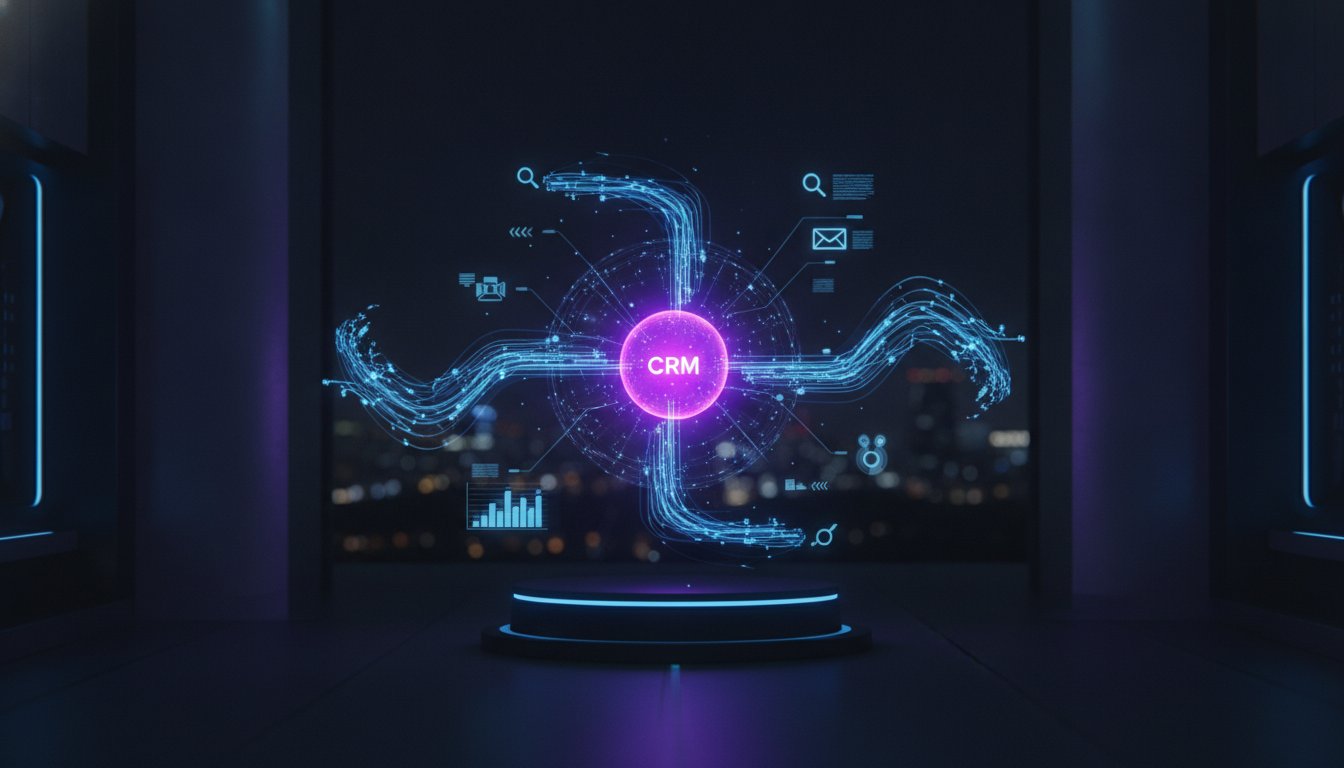
Our methodology is linear and unforgiving. We combine paid media, SEO, and CRM into a single strategy. This is the only way to master e-commerce customer lifecycle marketing in a volatile market. We treat your ad spend as fuel for a retention engine. This alignment removes the friction that kills margins. We focus on structural integrity. Every campaign must serve the lifecycle. If it doesn't drive LTV, it doesn't belong in the strategy. This focus on operational reality ensures your brand scales without burning capital. We organise your data to ensure Klaviyo acts as the central nervous system of your business. It informs your paid social bidding and your influencer marketing outreach. It is a closed loop of efficiency that operates whilst you focus on product development.
Next Steps for Your Brand
Identifying friction points is the first priority. Where is your lifecycle leaking? Is it the welcome flow or the post-purchase experience? You must audit your current tech stack for data silos. Map your path through a strategic growth advisory session. We help you visualise the structural needs of your business. This is about clarity and progress. We don't offer vague advice. We offer a disciplined blueprint for scaling. Your team might be embedded in the day-to-day. We provide the high-level perspective needed to break through plateaus. It's time to stop treating retention as an afterthought. Contact Vertical Brands today to start scaling. Your growth engine won't build itself. It requires a disciplined partner with a proven track record. The transition from a transactional brand to a relationship-centric leader starts here. We are ready to drive that progress amongst the noise of the competition.
Dominating the 2026 E-commerce Landscape
The era of volatile markets demands a disciplined response. You've seen how e-commerce customer lifecycle marketing transforms a leaking bucket into a high-performance engine. It's about moving from a transactional mindset to a structural reality where every click is an investment in long-term value. This frameworks ensures you aren't just surviving the ad auction; you're winning it by owning the customer journey from awareness to advocacy. Profitability is now a backend operation.
Success in 2026 requires more than just software. It requires a partner who understands the technical mechanics of growth. Vertical Brands provides the strategic oversight and execution needed to align your paid social, search, and CRM systems. There is a lots of opportunities for brands ready to move beyond generic tactics. We bring intellectual rigor to your scaling efforts through specialised Klaviyo management and integrated performance strategies.
Partner with Vertical Brands for expert Klaviyo and growth management. Our team serves as your strategic e-commerce growth advisory, delivering expert paid social and search management whilst specialising in Klaviyo platforms. The window for inefficient growth is closing. Build your engine today.
Frequently Asked Questions
What is the difference between lifecycle marketing and a standard marketing funnel?
Lifecycle marketing is a continuous loop rather than a linear path. Standard funnels often terminate at the first conversion. This systems fails to account for the complexity of modern shopper behaviour. A lifecycle approach focuses on the entire relationship. It prioritises long-term structural integrity and repeat purchase rates. This ensures that every customer touchpoint contributes to a self-sustaining growth engine rather than a one-off transaction.
How does Klaviyo help with e-commerce customer lifecycle marketing?
Klaviyo serves as the central nervous system of your strategy. It integrates directly with your e-commerce platform to process first-party data in real time. This allows for the implementation of automated flows like welcome series and winbacks. By using data-driven insights, you can deliver e-commerce customer lifecycle marketing at scale. This removes the friction between discovery and purchase whilst ensuring your message remains relevant throughout the entire customer journey.
Why is LTV more important than ROAS for high-growth brands?
ROAS is a short-term metric that only measures immediate campaign efficiency. LTV provides a comprehensive view of total customer value over time. High-growth brands prioritise LTV because rising acquisition costs make single-purchase profitability difficult to achieve. By focusing on the backend, you can afford to be more aggressive in ad auctions. This strategic shift ensures that your brand remains sustainable in a competitive and volatile 2026 market.
Can I implement lifecycle marketing without a large internal team?
Implementation does not require a massive headcount. Specialised growth partners provide the strategic oversight and technical execution that internal teams often lack. This allows you to leverage expert knowledge in Klaviyo and paid social without the overhead of a large department. You can focus on product development whilst professionals manage the mechanics of your retention engine. It's about operational efficiency and using external expertise to drive progress.
What are the most important metrics to track in lifecycle marketing?
Tracking the right indicators is essential for success. You should focus on repurchase rates, time between purchases, and churn rates. These metrics provide a clear view of your e-commerce customer lifecycle marketing health. Monitoring the contribution margin per customer ensures that your retention efforts are profitable. There is a lots of data points to consider, but these core metrics define whether your growth engine is functioning correctly.
How long does it take to see results from a CRM lifecycle strategy?
Results are visible in stages. Technical implementations like abandoned cart flows often deliver an immediate increase in recovered revenue. However, a comprehensive lifecycle strategy typically requires three to six months to reach full maturity. This period allows for the accumulation of first-party data and the refinement of complex segments. Strategic growth is a disciplined process. It requires consistent execution and technical adjustments to achieve a truly predictable revenue engine.
Is paid social effective for customer retention or just acquisition?
Paid social is a powerful tool for both acquisition and retention. You can use CRM segments to trigger specific ads for existing customers. This might include early access to sales or replenishment reminders for consumable products. Integrating paid media with your CRM ensures a seamless brand experience. It reduces wasted spend by excluding recent buyers from awareness campaigns. This alignment creates a highly efficient loop that supports every stage of the lifecycle.
What role does UGC play in the customer lifecycle?
UGC is a critical asset for building brand authenticity. In the awareness stage, it stops the scroll and provides immediate social proof. During the retention stage, customer-generated content reinforces loyalty and builds community trust. It acts as a bridge between the brand and the consumer. By aligning UGC production with specific lifecycle stages, you ensure that your creative remains relevant and persuasive. This content loop feeds your entire growth engine.

Other posts




































Stay ahead with better decisions.
Get business insights today.
