E-commerce Marketing Funnel Stages: 2026 Practical Guide
What if the e-commerce marketing funnel stages are a way to diagnose customer journeys, rather than a route every shopper must follow? The funnel can help organise marketing activity, but stage names vary between guides, and real customers often move between discovery, research and purchase in unexp...
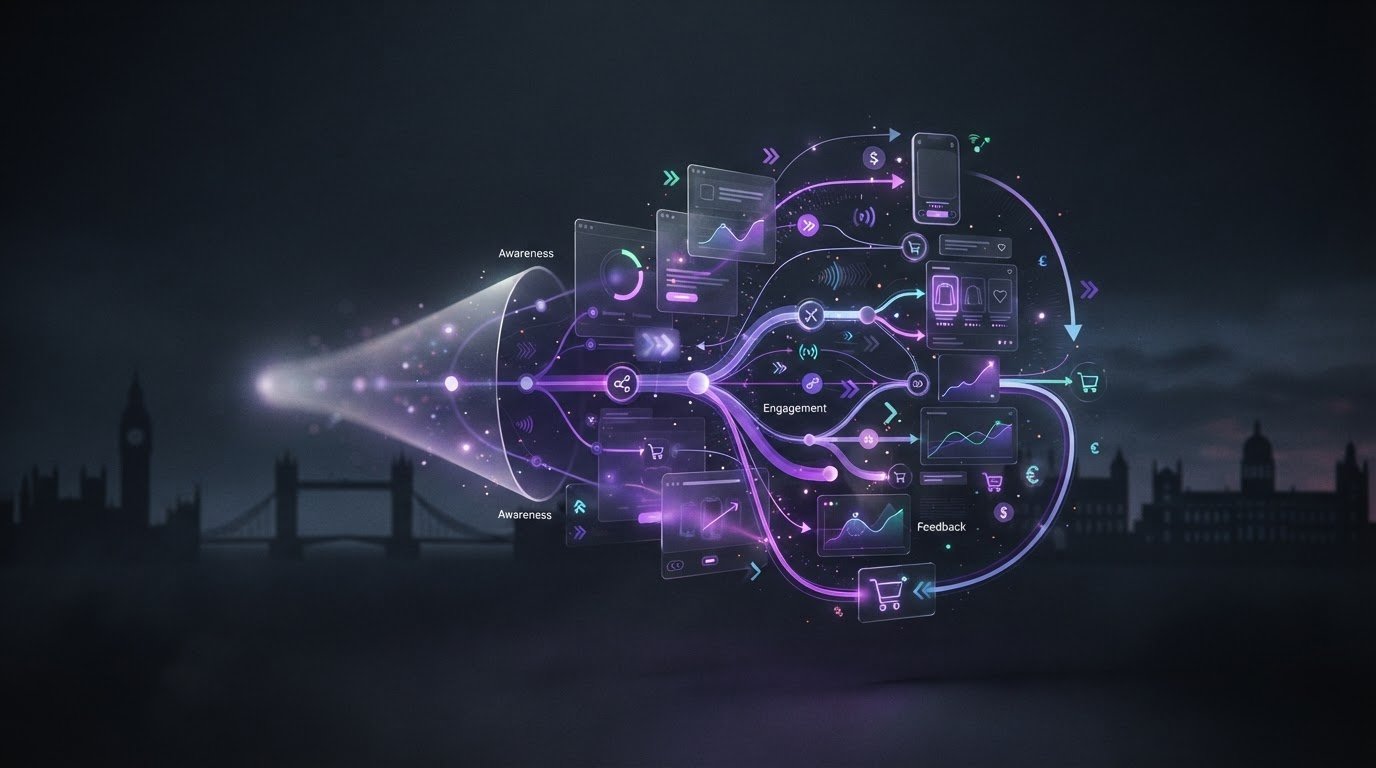
What if the e-commerce marketing funnel stages are a way to diagnose customer journeys, rather than a route every shopper must follow? The funnel can help organise marketing activity, but stage names vary between guides, and real customers often move between discovery, research and purchase in unexpected ways.
That makes it harder to connect channel activity with customer progression. A spike in website visits, for example, doesn’t tell you whether shoppers are finding the right information or moving closer to a purchase. Labels also differ between models, which can make comparisons less useful than they should be.
This guide explains what each stage is designed to do, which customer needs your marketing should address and what signals can show whether people are progressing. You’ll also learn how to spot friction and choose a practical next step without assuming every customer follows the same path. We’ll look at how acquisition, website experience and retention work together, and how to use the funnel as a flexible tool to improve the customer experience.
Key Takeaways
• Use the e-commerce marketing funnel stages to organise customer needs and marketing activity, not to assume every shopper follows the same route.
• Map awareness, consideration, conversion and post-purchase activity to the customer’s likely need and a clear business objective.
• Read stage transitions carefully: repeat visits and channel switching can reveal useful behaviour, but signals alone don’t explain customer intent.
• Diagnose performance in sequence: define the question, choose a relevant signal, segment the data, investigate friction and test a change.
• Connect paid social, paid search, SEO, website experience and CRM so the customer journey feels consistent across discovery, purchase and retention.
What are e-commerce marketing funnel stages, and what do they explain?
E-commerce marketing funnel stages are a model for organising customer needs and marketing activity before and after a purchase. The framework helps teams plan for discovery, evaluation, purchase and retention, then assess whether their activity supports what customers need at each point. It gives marketing, ecommerce and CRM teams a shared structure for discussing how people encounter a brand, assess an offer and decide what to do next.
The labels are useful, but they aren’t a fixed campaign plan. A campaign doesn’t have to move through every stage in order, and a customer won’t necessarily see one message, visit one page and then buy. Someone might discover a product through paid social, leave to compare options, return through an organic search result and purchase later. The Purchase funnel offers a foundational model, but e-commerce teams can use stages as planning categories rather than a script for customer behaviour.
That distinction matters. A stage describes a likely need or decision context, not a confirmed state of mind. Website visits, product views and purchases show what people did, but they don’t automatically explain why. Use the model to identify a question, then interpret behaviour in context.
What does a funnel help an e-commerce team understand?
Stage labels create shared language. Instead of debating whether a channel “works”, a team can ask whether it reaches relevant audiences, helps shoppers evaluate a product or reduces friction at checkout. That connects marketing decisions to observable behaviour, such as visits to product pages, use of product information or completed orders. Treat these behaviours as evidence to investigate, not proof of motivation.
Buying context shapes the pattern. A shopper replacing a familiar household essential may need little evaluation; someone considering a higher-involvement purchase may return to product details, reviews or comparison pages several times. A useful set of stage labels helps teams recognise these different needs without forcing them into one assumed route. Choose a response that fits the likely need, then assess whether the signals change.
Why do funnel stages matter beyond the first sale?
A purchase is an important outcome, but it isn’t the end of the customer relationship. Retention belongs in the model because sustainable growth also depends on what happens after checkout: whether customers receive clear, relevant communication, find that the product meets their expectations and have a reason to consider the brand again.
Post-purchase activity can support repeat buying and advocacy, but neither is automatic. A timely product-care message or relevant follow-up may be useful when it matches the customer’s needs. An irrelevant message can add noise instead. Teams can examine signals such as repeat orders, engagement with customer communications and feedback, then use them to improve the experience. The practical question is not simply “How do we get another sale?” It’s “What would make continued engagement valuable for this customer?”
What happens at each e-commerce marketing funnel stage?
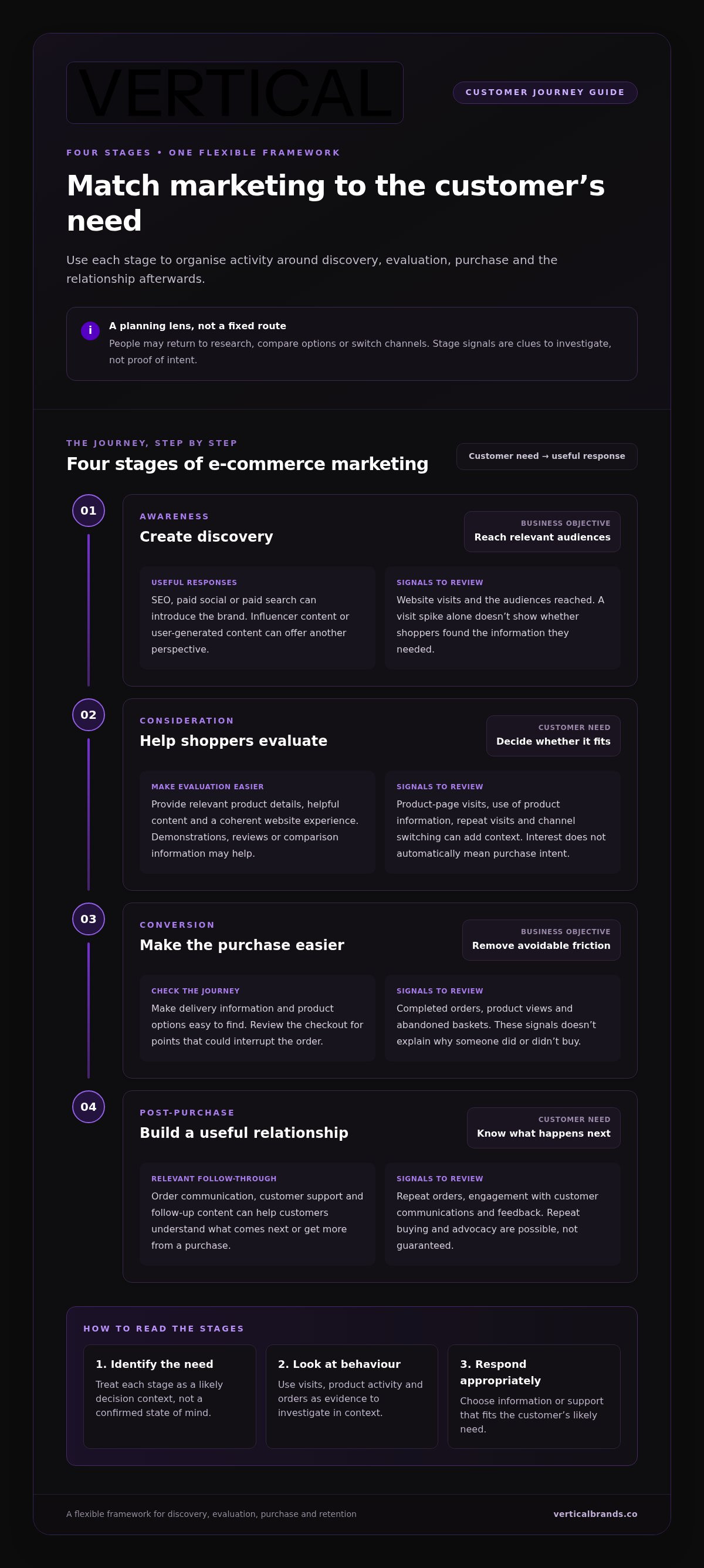
The four e-commerce marketing funnel stages offer a practical way to match activity to customer needs: awareness creates discovery, consideration supports evaluation, conversion makes purchase easier, and post-purchase activity develops the customer relationship.
Consider a shopper looking for a desk lamp. This hypothetical journey illustrates possible needs and suitable business responses, not a required sequence or a prediction of what the shopper will do.
Awareness and consideration: from discovery to evaluation
At awareness, the shopper may have noticed a need or encountered a relevant brand. The business objective is to reach people with useful, clear information. SEO, paid social or paid search can support discovery. Influencer content or user-generated content (UGC) may introduce a product from a different perspective. These are options, not mandatory channels.
During consideration, the shopper is assessing whether the lamp suits their needs. They may compare product details, look for demonstrations or seek reassurance about the retailer. Make evaluation easier with relevant product information, helpful content and a coherent website experience. The shopper might return through another channel or leave to compare options. Support the decision without assuming that interest has become purchase intent.
Conversion and post-purchase: from decision to relationship
At conversion, the shopper is ready to decide and needs a clear, workable route to complete the order. The objective is to remove avoidable friction: unclear delivery information, confusing product options or a difficult checkout can interrupt the experience. Review the purchase journey and make key information easy to find. A product view or abandoned basket is a signal to investigate, not proof of why someone didn’t buy.
After purchase, the objective shifts to delivering a useful customer experience and maintaining a relevant relationship. Order communication, customer support and follow-up content can help customers understand what happens next or get more from their purchase. Retention activity should fit the customer and product, rather than send messages simply because a purchase occurred. A satisfied customer may buy again or recommend the brand, but loyalty and advocacy aren’t guaranteed. The signals from each touchpoint is useful context, not a complete explanation of customer intent.
Awareness
The shopper discovers the need or brand. The business aims to build relevant reach through suitable channels.
Consideration
The shopper evaluates options. The business aims to make product research and trust-building easier.
Conversion
The shopper makes a purchase decision. The business aims to provide a clear, low-friction buying experience.
Post-purchase
The customer experiences the product and service. The business aims to support them and create reasons for continued engagement.
Planning these stages together can expose gaps between promotion, website experience and follow-up. A connected e-commerce growth strategy can align channel activity with those different needs.
Why e-commerce funnels are not linear, and how to read stage transitions
The four-stage model is a useful way to organise marketing decisions, but real customer journeys rarely behave like a tidy sequence. A shopper might discover a product through social media, return later through search, compare options on a product page and pause before buying. Another may arrive ready to purchase. The e-commerce marketing funnel stages help teams frame these behaviours, not assume every person follows the same route.
Buying context shapes the journey. A familiar, low-consideration purchase may involve few touchpoints, whilst a considered purchase can prompt repeated research and longer pauses. The business maturity question is separate: the e-commerce growth stages framework addresses how a business’s priorities evolve as it develops, rather than how an individual customer moves towards a purchase.
How can customers move between stages?
Consider a shopper researching a winter coat. They might see a social post, visit the product page, leave to compare alternatives, then return through an organic search result. They could revisit product details more than once before buying, or decide not to proceed. A different shopper may already know the brand and go straight to its website. Neither journey is more valid, and no customer needs to encounter every channel.
Is a weak transition always a channel problem?
No. A drop between discovery and product engagement could reflect audience fit, a message that doesn’t match the landing page, unclear product information or usability issues. A weak checkout completion rate may point to friction on the site, but it doesn’t identify the cause by itself. Treat each pattern as a hypothesis to investigate, then compare relevant segments and touchpoints before changing channel activity.
| Stage assumption | Observable behaviour | Cautious interpretation |
|---|---|---|
| Awareness should lead directly to product interest | A person sees an advert but doesn’t visit the site | The creative, audience, timing or need may not align. One impression doesn’t establish intent. |
| Product research means a shopper is ready to buy | A visitor views product details more than once | They may be comparing, checking information or returning for another reason. Investigate before treating this as purchase intent. |
| More visits should produce a purchase | A returning visitor leaves without ordering | Price, suitability, clarity or other factors may matter. Visits alone don’t reveal which one. |
| A channel credited with a sale caused it | A purchase follows a tracked touchpoint | The touchpoint may have contributed, but sequence alone cannot prove causation. |
Attribution data can show which interactions occurred before a purchase, subject to what the measurement setup captures. It can’t, by itself, prove that one advert, email or search visit caused the sale. Customers may have encountered other influences that aren’t visible in the data. A single channel metric is only one piece of evidence, so use it alongside on-site behaviour, customer feedback and performance across the wider journey.
Start with the transition that appears weakest, then ask what evidence would distinguish between possible explanations. Check whether the audience reached the page, whether the message matched the offer and whether the next step was clear. That turns funnel analysis into a practical investigation, rather than a reason to blame the last channel recorded.
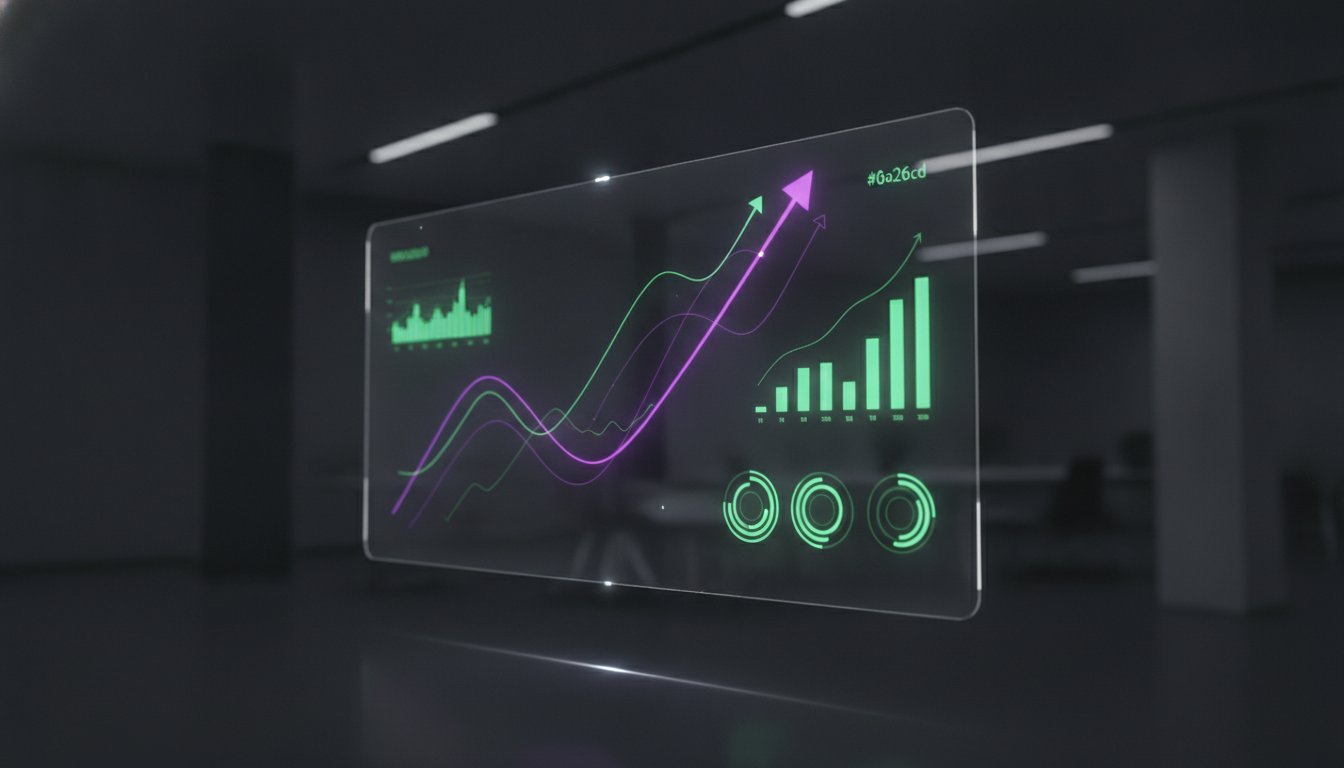
How to measure and diagnose e-commerce funnel performance
Measurement is useful when it answers a decision, not when it produces a longer dashboard. For the e-commerce marketing funnel stages, start where progress appears to slow, then test possible explanations in a consistent order. A rise or fall in one metric is a signal to investigate, not a diagnosis by itself.
Define the question.
Be specific. For example: are relevant shoppers finding the product, are product-page visitors moving towards checkout, or are customers returning after purchase?
Select a signal.
Choose an indicator that reflects the question. Reach can help assess discovery; product-page engagement can indicate evaluation; checkout completion can highlight purchase friction; repeat purchase can help assess retention.
Segment the data.
Where the data allows, compare relevant audiences, channels, devices, landing pages or campaign objectives. A blended result can hide different patterns.
Investigate the experience.
Check whether the message matches the landing page, important product information is accessible and the next step is clear. For organic discovery, consider whether search visibility reaches relevant queries. The e-commerce search engine optimisation framework connects organic search activity with a wider growth approach.
Test a focused change.
Write down the hypothesis, the change and the result you observe. Change one meaningful element at a time where practical, so the outcome is easier to interpret.
Which signals can help identify a funnel bottleneck?
At awareness, examine reach and relevant visits to understand whether the intended audience encounters the brand. For consideration, look at product-page views, engagement with key information and movement towards basket or checkout. For conversion, review checkout starts against completed orders. After purchase, track returning customers or repeat orders over a clearly defined period. Each signal answers a different question, so avoid treating one as a score for the entire customer journey.
How should teams investigate a weak stage?
First, make the comparison fair. Use like-for-like periods, audiences and campaign objectives where possible, and note any changes to tracking or metric definitions. The same metric definitions applies across channels and reporting periods; otherwise, apparent movement may reflect a measurement change rather than customer behaviour.
Then inspect the customer experience before changing spend. Check whether an advert or search result sets an expectation the landing page fulfils, whether the page works clearly on the shopper’s device, and whether the route to purchase is understandable. A weak transition may involve audience fit, message relevance, offer clarity or usability. Record which explanation you’re testing and what evidence would support or challenge it. Results may suggest a next step, but they won’t prove every cause.
For a more disciplined review of performance and customer experience, work with a team on funnel measurement.
How to connect e-commerce funnel stages across marketing channels
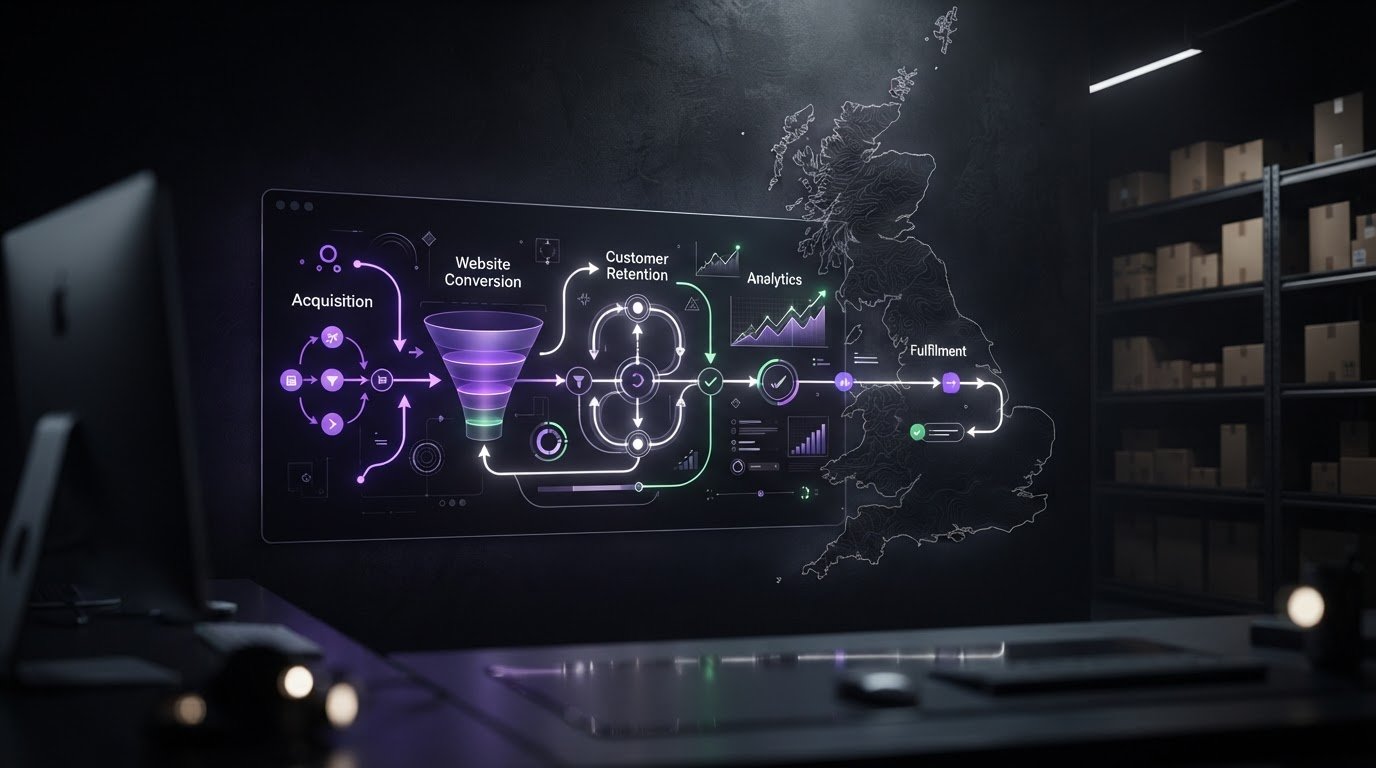
Channel integration starts with the customer’s need, not a checklist of platforms. The e-commerce marketing funnel stages can help teams connect what a person needs at a given point with the message they see, the page they land on and the next useful step. Not every brand needs every channel. The right mix depends on its audience, products and objectives.
What does an integrated funnel plan include?
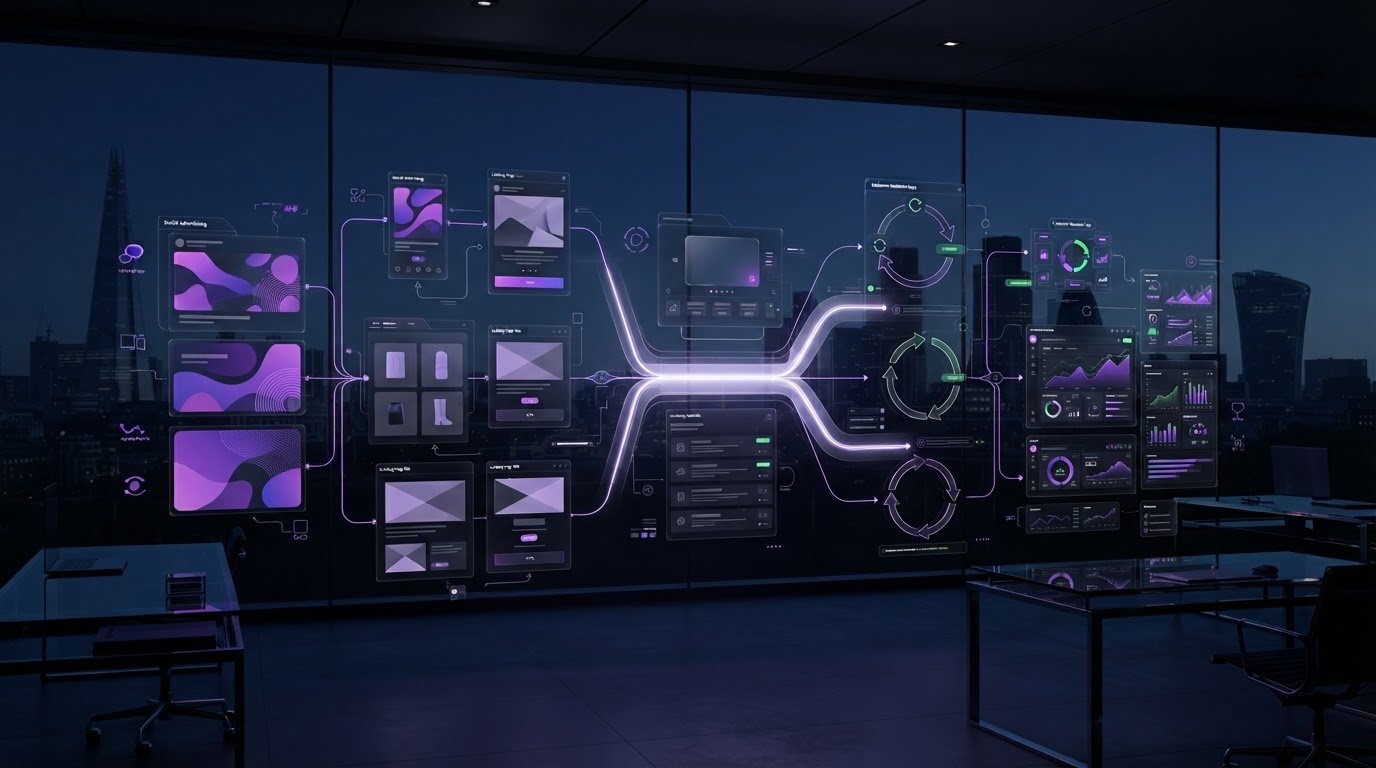
Map each stage across four questions: what does the customer need, what role should a channel play, what experience should follow, and what will indicate progress? For example, a paid search advert should lead to a relevant page that answers the query, not simply the homepage. SEO can support organic discovery, whilst paid social can introduce a product or reinforce a message. The page experience connects those acquisition touchpoints to product information and purchase.
Awareness
The need is discovery. SEO, paid social or influencer content may help relevant people encounter the brand. Ask whether the intended audience reaches useful pages.
Consideration
The need is evaluation. Search, product content and user-generated content can help shoppers assess fit. Ask whether visitors engage with the information that supports a decision.
Conversion
The need is a clear route to purchase. The website should carry the promise of the advert or search result through to the product and checkout. Ask where shoppers stop progressing.
Post-purchase
The need is useful communication after an order. CRM activity can support relevant follow-up and retention. Ask whether customers return or engage with appropriate messages.
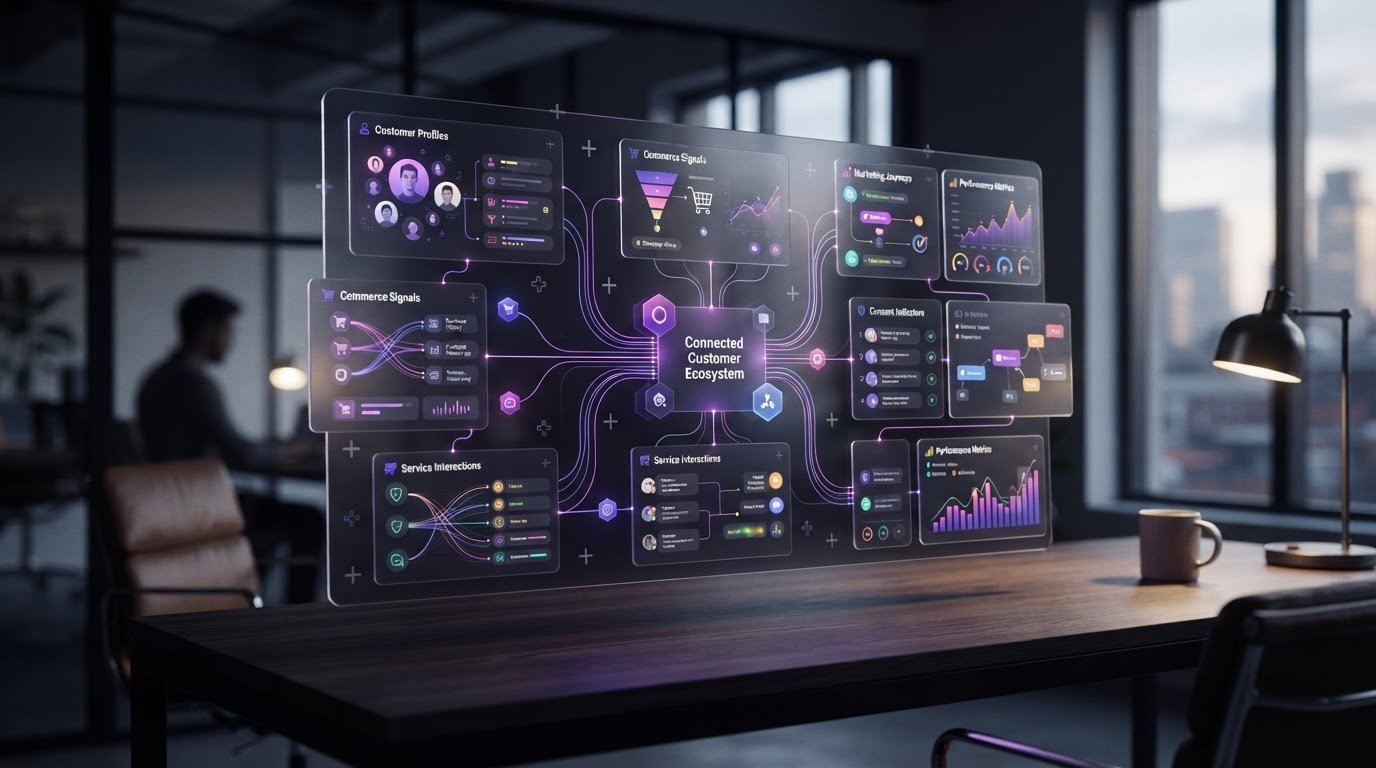
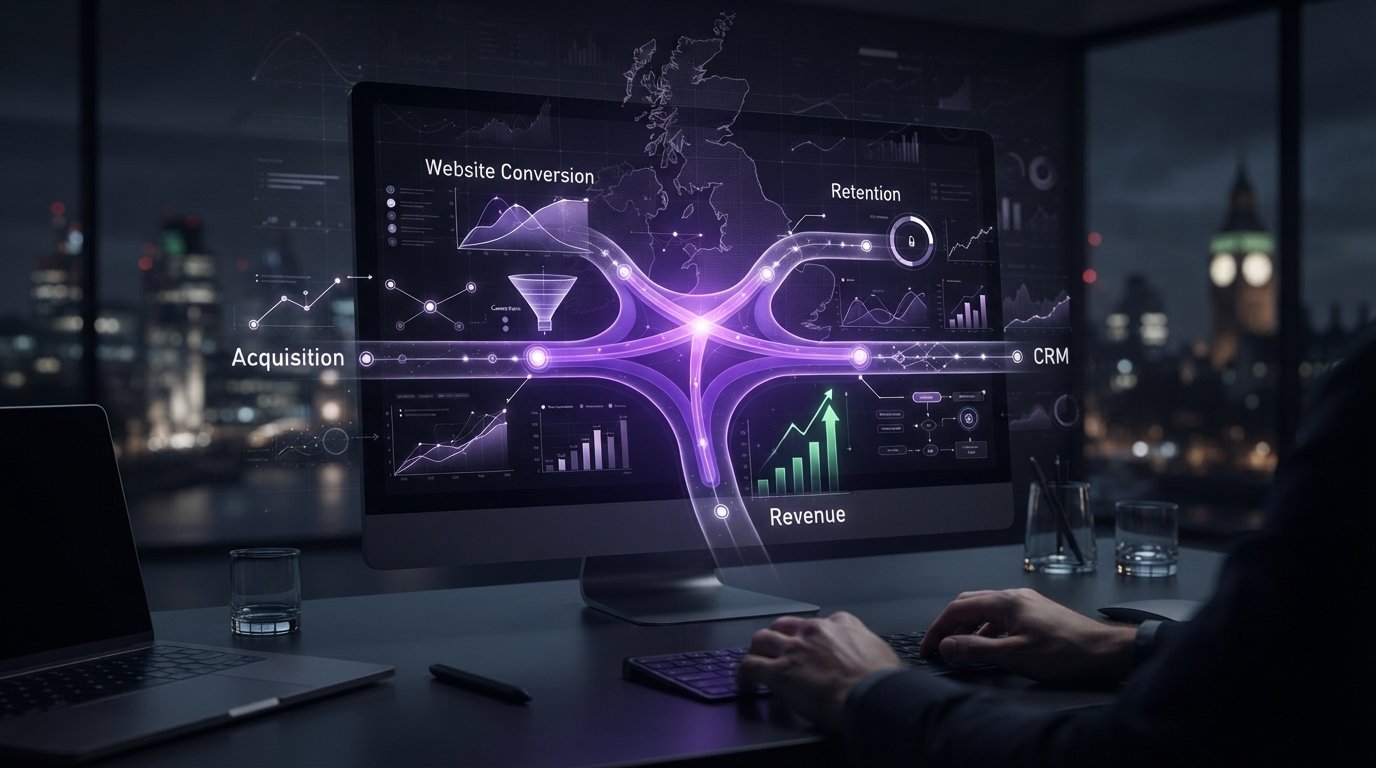
CRM connects more than post-purchase activity. Where customer data and preferences allow, it can support relevant communication after discovery as well, helping the experience stay coherent as a person returns. Paid social, paid search, SEO, website design and development, and email or CRM activity can each contribute, but coordination matters more than channel count. A paid social management blueprint can add detail on that channel’s role within a broader plan.
Keep the hand-offs clear. Align campaign language with the landing page, make product details easy to find and ensure follow-up reflects the customer’s interaction. Then use the measurable question for each stage to identify whether the experience supports progression. The roles of channels works best when teams share objectives and definitions, rather than judging each activity in isolation.
When can specialist support help connect the stages?
Support can be valuable when paid media, CRM, SEO and the website are managed against separate priorities, leaving gaps between acquisition and customer experience. Aligning channel execution with shared growth objectives helps teams see where activity connects, where it diverges and what to investigate next. It doesn’t guarantee growth, but it creates a more joined-up basis for decisions.
Vertical Brands brings together paid social, paid search, search engine optimisation, Klaviyo email marketing and CRM management, website design and development, and growth advisory. Explore Vertical Brands’ growth services to see how these capabilities can support a connected e-commerce plan.
Turn your funnel insight into a focused next step
Use the e-commerce marketing funnel stages as a practical prompt for your next planning cycle. Choose one hand-off where customers appear to lose momentum, then identify what you need to learn before changing campaigns or adding another channel.
Start with a clear hypothesis. Perhaps the message and landing page don’t align, or shoppers need more useful information before moving forward. Decide which signal would help you assess the issue, make one focused change and record what happens. One clear hypothesis and a defined measure gives the team a stronger basis for its next decision.
If connecting acquisition, website experience and customer relationships is a priority, explore Vertical Brands’ e-commerce growth services. The aim isn’t to force customers through a perfect funnel. It’s to make each interaction more useful and improve the experience where it matters. Start with one well-chosen improvement, then build from what you learn.
Frequently Asked Questions
What are the four stages of an e-commerce marketing funnel?
A commonly used model has four e-commerce marketing funnel stages: awareness, consideration, conversion and post-purchase. These describe discovery, evaluation, the purchase decision and the experience after the sale. For example, a team selling reusable water bottles might use the stages to plan how shoppers discover its range, compare options and receive relevant follow-up. Other models use different labels or divide stages further, so treat this framework as a practical planning tool, not a universal taxonomy.
Is an e-commerce marketing funnel the same as a customer journey?
No. A customer journey describes the touchpoints and experiences a person has with a brand, whilst a funnel is a simplified way for a team to group and assess those interactions. A journey might include a product review, an advert and a visit to a retailer’s website in an order the funnel diagram doesn’t capture. Use journey research to understand individual experiences, then use funnel categories to organise business questions and priorities.
Can a customer skip a stage in an e-commerce funnel?
Yes. A returning customer who knows a product may go directly to its product page and buy, whilst a first-time shopper may take time to compare alternatives. Someone can also leave a product page, return later or revisit details after reaching checkout. The stages is a framework for analysing patterns, not a checklist that each person must complete. Consider customer history and context before interpreting a short or unusual path.
How many stages should an e-commerce marketing funnel have?
There’s no required number. Start with four stages, then add detail only if it helps resolve a real operational question. For instance, a team might separate category-page discovery from product-page evaluation if it needs to understand where engagement changes. Keep stage definitions stable across teams and reporting. If one department calls a basket addition “conversion” and another reserves that label for a completed order, comparisons become difficult to interpret.
What is the difference between a marketing funnel and a sales funnel?
The terms overlap, but a marketing funnel often includes activity before and after purchase, whilst a sales funnel may focus more narrowly on actions leading to an order. In e-commerce, the distinction depends on how the business defines its process. A practical way to avoid confusion is to document what event marks each stage transition, such as a product-page visit, basket addition or completed transaction, then use those definitions consistently.
How often should an e-commerce business review its funnel?
Choose a review rhythm that fits your data volume, campaign activity and decision cycle. A campaign with frequent changes may need closer monitoring than a stable programme, but short-term fluctuations don’t always justify action. Set a regular review point and revisit the underlying objective, tracking setup and customer behaviour. Keep a simple record of decisions, changes and observed results so the team can distinguish a persistent pattern from normal variation.
What should a brand do when website traffic grows but sales do not?
Investigate the mismatch before concluding that a channel has failed. Check whether the new visitors match the intended audience, whether the landing page delivers what the advert or search result promises, and whether product details answer likely objections. Then compare traffic sources and landing pages using the same measurement definitions. For example, if one source brings visits but few basket additions, test page relevance or product information before changing the whole acquisition plan.

Other posts

































Stay ahead with better decisions.
Get business insights today.
